
Struck-By Dangers Hiding on Small House Sites
Falling block, a backing skid steer, a wet Miami trench wall. How struck-by and caught-in hazards hit home builds, and the fixes that keep crews clear.
In Part 1, we looked at why falls from low roofs still kill workers on single-family jobs. This time the danger comes from the other direction. It comes at you, or it closes in around you.
This series was shaped with insights from the Mooshekh Law Firm, whose work with injured construction workers shows how often these accidents start with one small shortcut on a busy day.
Here is a number to keep in mind. One cubic yard of soil weighs about 3,000 pounds. That is roughly the weight of a small car. When a trench wall gives way, a worker can be pinned under several of those "cars" in a few seconds.
Things That Fall
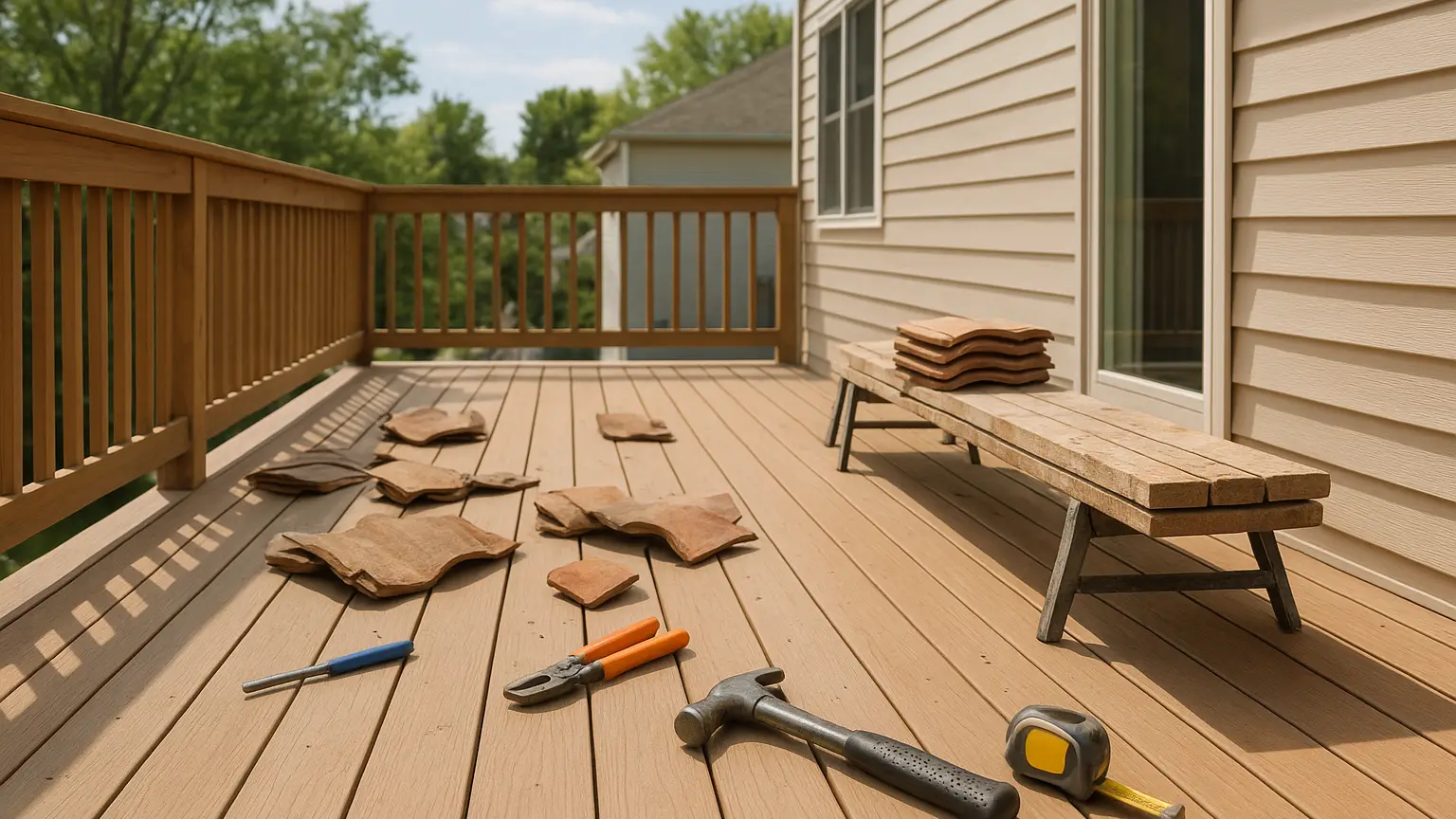
House sites feel small, so people relax. But a dropped hammer from a second-floor deck can crack a skull. So can a loose block on a scaffold plank or a roof tile sliding off a pallet. Toe boards, debris nets, and a firm "no one below" rule during overhead work stop most of these hits. Hard hats are not optional, even on a one-story job.
Things That Swing
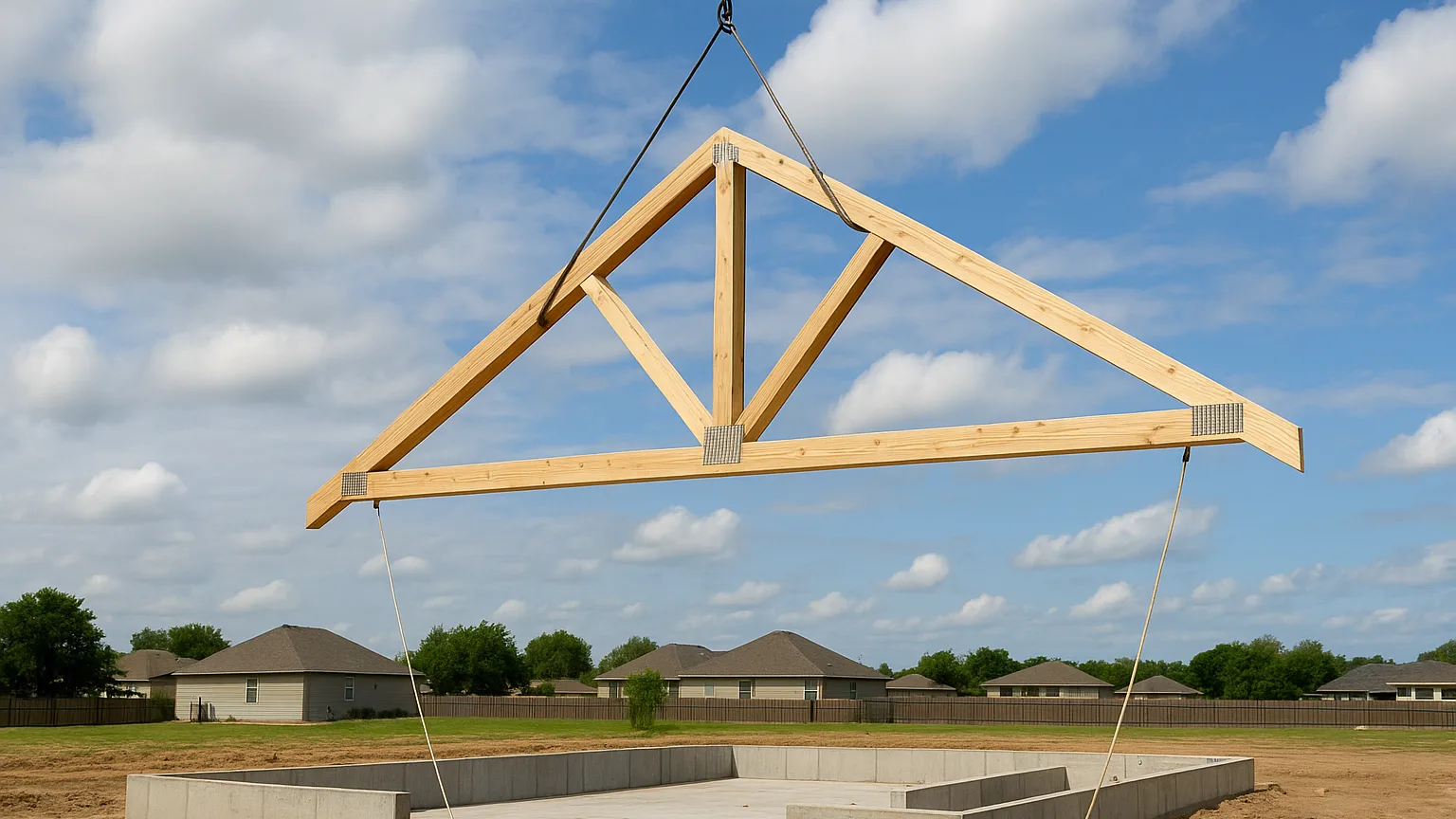
Boom trucks lift trusses, beams, and heavy glass into place. The load can spin in a gust off Biscayne Bay. Use tag lines so no hand ever touches a moving load. Big glass panels are a common culprit, especially when crews rush to install impact windows before a storm watch. Never stand under a suspended load. Not for a second.
Things That Move
Skid steers, dump trucks, and telehandlers back up all day on tight lots. Operators have huge blind spots. Every machine needs a working backup alarm, and every backing move on a crowded site needs a spotter. Workers should wear high-visibility vests and make eye contact with the operator before walking near the machine.
Caught-in and caught-between accidents are the third Fatal Four hazard. On home builds, trenches cause the worst of them. Crews dig for sewer lines, water service, footings, and electrical conduit. Even a buyer asking for a home that is solar-ready from the start may add a trench run to the job.
South Florida soil makes this risky. Much of it is loose sand and fill sitting over porous limestone. Under the safety rules, sand like this usually counts as the least stable soil type. And the water table here sits close to the surface, sometimes just a few feet down. Water seeping into the trench wall makes it slump without warning. After a summer downpour, a wall that looked fine at lunch can fail by 3 p.m.
The Trench Rules That Save Lives
- Five feet means protection. Any trench 5 feet deep or more needs sloping, shoring, or a trench box. Shallower trenches may need it too if the soil looks bad.
- Slope sandy walls back. Loose sand generally needs a slope of about 1.5 feet back for every 1 foot down.
- Keep spoils back. Pile dirt and materials at least 2 feet from the edge so the weight does not push the wall in.
- Have a way out. Trenches 4 feet or deeper need a ladder or ramp within 25 feet of every worker.
- Pump the water. Dewater before anyone climbs in, and stop work if water keeps rising.
- Inspect daily. A competent person should check the trench each day and after every rain.
The hardest part is the mindset. Many workers have climbed into "just a quick" 4-foot trench a hundred times. Legal teams who handle these cases, including the guidance behind this series from the Mooshekh Law Firm, often see that the deadly collapse was the hundred-and-first time.
Not every caught-in accident happens underground. Machines and materials can crush a worker on flat ground in plain daylight.
Machinery Pinch Points
Mixers, saws, augers, and the arms of a skid steer all have spots where a hand, sleeve, or whole body can get trapped. Keep guards in place. Shut off and lock out equipment before clearing a jam. Tie back long hair and skip loose clothing near spinning parts. Never step between a machine and a wall, truck, or stack while the machine is running.
Collapsing Material Stacks
Pallets of block, bundles of rebar, and stacked trusses look stable until they are not. Trusses stored on uneven, soggy ground can tip like dominoes. Block stacked too high can shift when a forklift bumps it. Store materials on flat, firm footing. Brace trusses upright or lay them flat on blocking. Cap exposed rebar so a stumble does not become an impalement.
When an injury does happen, workers and families often look beyond Florida for guidance on picking legal help, and lists of Arizona's top injury firms show that the strongest firms judge each case by the facts on site. Photos, inspection logs, and witness names matter, so record them right away.
A Quick Line-of-Fire Check
Before any task, ask three things. What could fall on me? What could hit me? What could close in on me? If the answer to any of them is "something," fix it first. That simple habit pairs well with the daily site walk we build in the final part, where overhead line dangers and wet temporary power round out the Fatal Four.
Step Out of the Path Before the Path Finds You
Struck-by and caught-in accidents share one root cause. A worker ends up in the path of something heavy, whether it is a falling block, a swinging truss, a backing skid steer, or a wall of wet Miami sand. Tag lines, spotters, guards, smart stacking, and properly sloped or shored trenches keep crews out of that path on even the smallest house job.
Remember the car. Every cubic yard of soil, every pallet, and every suspended load carries that kind of weight. Treat each one with respect, inspect after every rain, and make the line-of-fire check a daily reflex. Those small habits are what send everyone home at the end of the day.