
Hurricane Glass And Glare Solutions
See why Miami builders now spec motorized shades to fight glare and heat from hurricane-rated glass in new luxury condos.
Walk into almost any new luxury condo in Miami right now and you'll notice the same thing: walls of glass, floor to ceiling, framing the bay or the ocean. It looks incredible in the renderings. Then the sun actually comes out, and by 2 p.m. that same glass wall turns the living room into a greenhouse. This is the quiet problem builders have been racing to solve, and motorized shades have become the answer nobody expected to matter this much.
Beautiful Glass, Bigger Problem
Hurricane-grade impact glass is thicker and heavier than standard glass, and it behaves differently in direct sun. It traps more heat and reflects glare in ways that older, thinner windows never did. Builders who were once focused purely on wind ratings and code compliance are now realizing the glass itself creates a livability issue once residents move in.
That shift in thinking is a big part of why so many teams researching this topic land on the article about how miami builders bet on motorized shading systems as a fix, because it was one of the first signs the industry took the glare complaint seriously instead of treating it as a minor annoyance.
What Impact Glass Actually Does To A Room
Impact windows are built to survive a hurricane, not to filter sunlight. The result is a lot more solar heat gain than most buyers expect. Furniture fades faster, air conditioning runs harder, and afternoon glare can make it hard to see a television or laptop screen without closing every curtain in the unit, a version of the same comfort problem that's pushing homeowners elsewhere to look at a patio season extender for their outdoor living spaces as well.
The Three Complaints Builders Hear Most
- Rooms facing west or south become uncomfortably hot by mid-afternoon
- Glare off the water or the glass itself makes screens hard to read
- Manual blinds look bulky against sleek floor to ceiling windows
"Impact glass solved a safety problem but created a comfort problem, and shading is really the missing third piece of the window system," says Marisol Fuentes, a window treatment specialist at Blinds Chalet. Her point lines up with what a lot of Miami developers are now discovering after their first round of resident feedback.
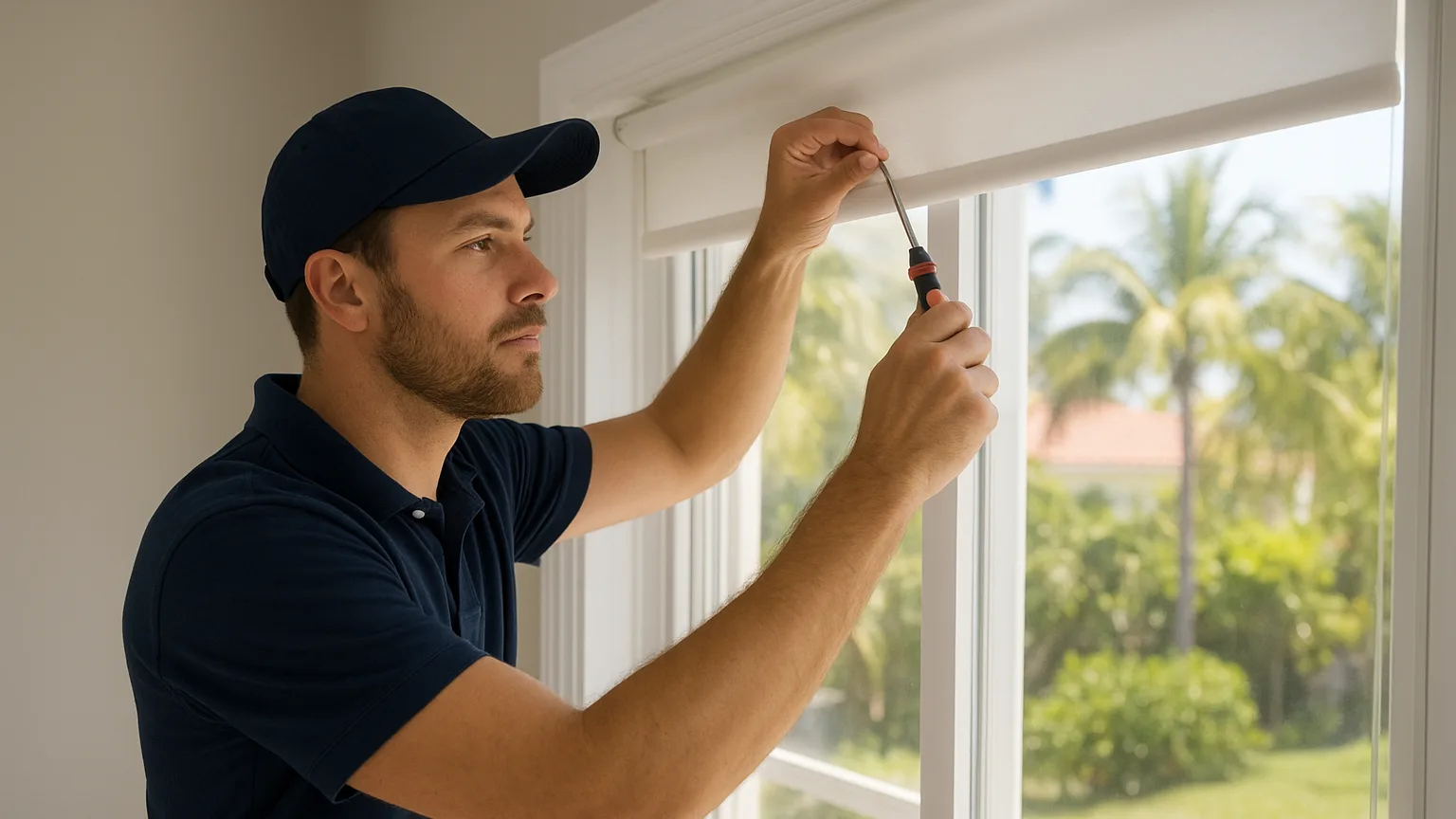
Motorized shades solve this without changing the look of the window at all, echoing how miami builders bet on motorized shading as a way to keep glass walls intact while still taming heat and glare. The shade housing tucks into the ceiling pocket or window header, so from the outside the building still reads as pure glass, and from inside the unit still feels open rather than boxed in by heavy drapery.
How This Gets Built Into The Unit, Not Added Later
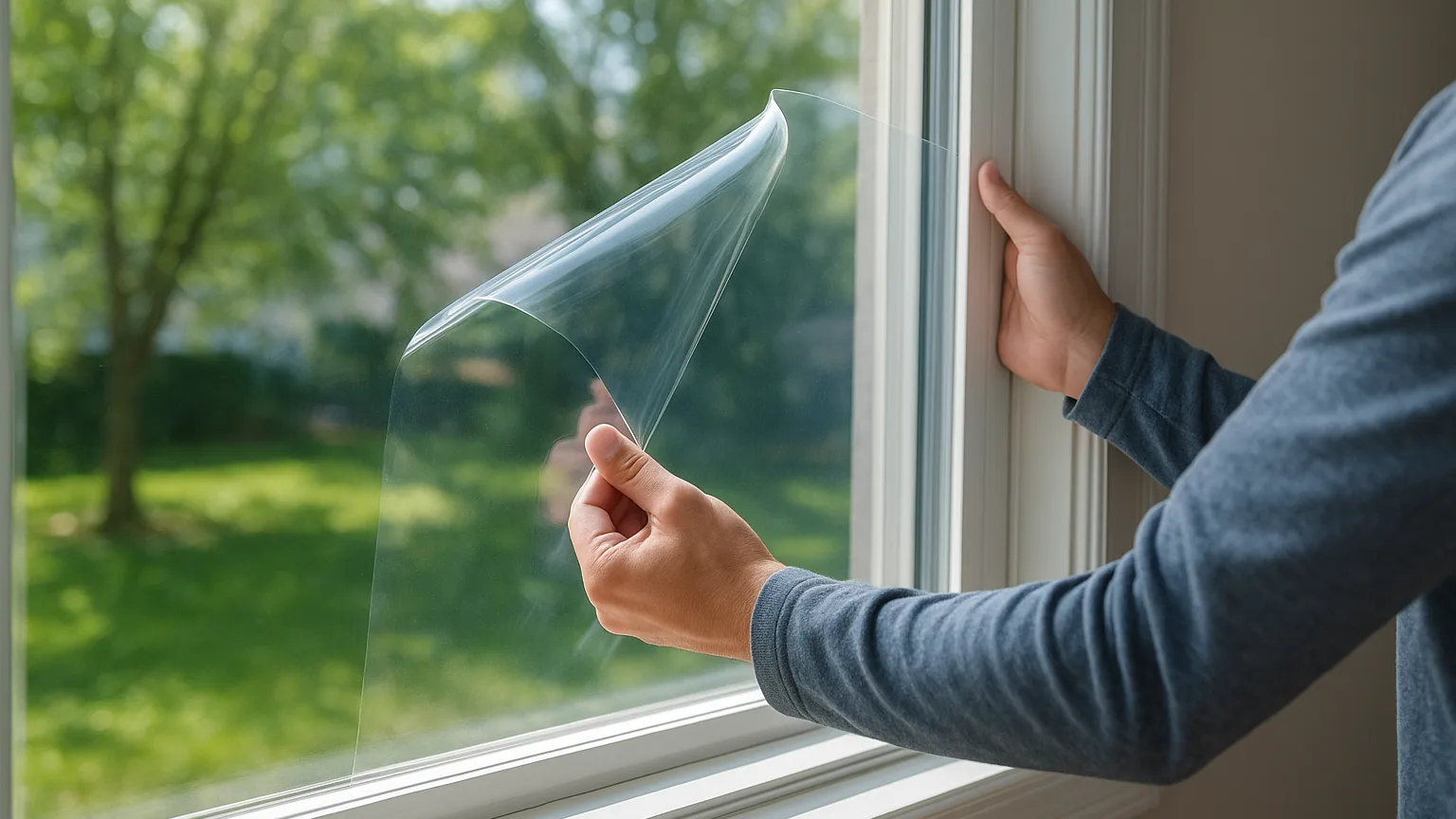
The smartest move builders are making is treating shading as part of the window package instead of an upgrade buyers add after closing. That means wiring and window pockets get planned during construction drawings, long before drywall goes up. Retrofitting motorized shades into a finished condo means exposed wiring, visible tracks, and a much higher bill for the homeowner.
- Electrical runs are placed inside the window header during framing
- Shade pockets are built into the ceiling design rather than surface mounted later
- Glass selection and shade fabric are chosen together to manage both heat and glare
- Systems are grouped by room so residents can control sun exposure by zone
This kind of early planning is exactly the thinking behind why so many new developments follow the same logic as buildings that miami condos now pre-wire for full shading control before a single unit is sold. It turns a comfort feature into a standard finish, similar to how flooring or cabinetry gets decided long before a buyer walks through the door.
A Small Detail That Changes How A Building Sells
Motorized shades started as a convenience feature and turned into a real answer to a design flaw that hurricane glass introduced without anyone planning for it. Builders who specify these systems early are not just adding a gadget, they're fixing heat gain, glare, and privacy in one move, much the way desert buyers now demand shades in new Arizona construction, all while keeping the clean glass look that sells these units in the first place.
As more Miami buyers walk through units at 3 p.m. instead of during a staged evening showing, this detail is becoming a deciding factor rather than a nice extra. The towers getting this right now are setting the standard the rest of the market will be chasing for years.