
Why One Moving Part Causes So Much Trouble
A Miami build's gate shapes truck access, worker safety, code risk, and move-in. Follow it from the first curb cut to year five in this four-part series.
A gate is the only part of a fence that moves. That is why it causes most of the trouble. Everything Hinges on the Gate is a four-part series for Miami builders, superintendents, developers, and new owners who want the gate done right the first time. It follows one opening in the fence through the whole life of a project.
What this series covers
- How truck turning radii, sight lines, and staging room should decide where the jobsite gate goes
- Why badge gates and accurate headcounts beat a sign-in sheet in an emergency
- What UL 325 covers on the operator and what ASTM F2200 covers on the gate itself
- What a real gate handover includes, from sensor testing to the manual release key
- How a simple maintenance schedule keeps an automated gate running in year five
The story starts when a super walks the lot, points near the street, and says, "Trucks come in here." It ends years later, when an owner presses a remote and expects the gate to open. Between those two moments sit choices about truck access, worker safety, safety codes, and handover. Each one is easy to rush. Each one costs money when it goes wrong.
The series draws on field insight from American Fence, a fence and gate company whose perimeter work shows how often problems trace back to the gate. Their experience helped shape what each part covers.
Where Does Your Gate Go Wrong?
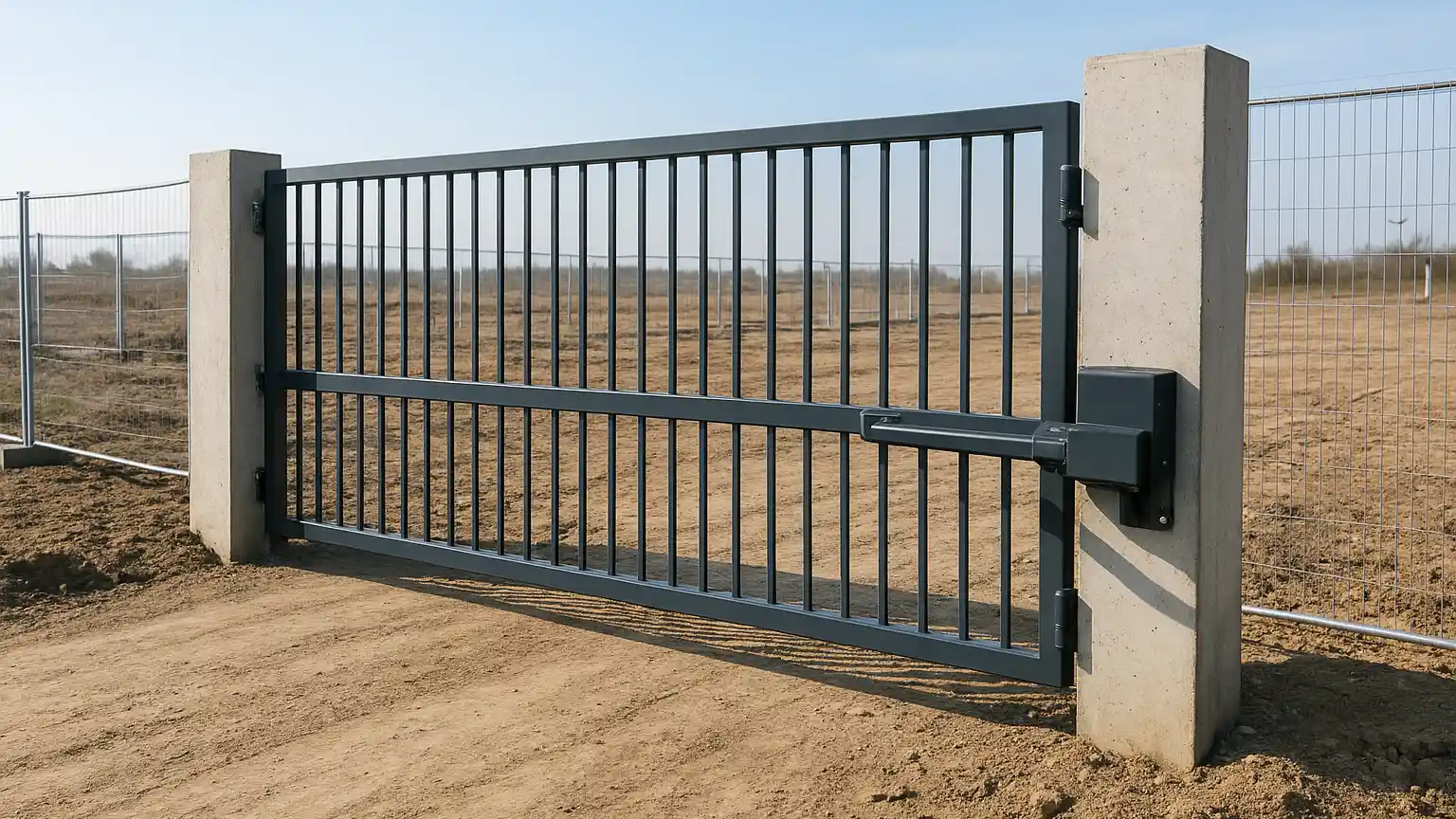
The first half of the series stays on the jobsite. This is where the gate gets decided, often without anyone calling it a decision.
Picking the Spot Before the First Truck
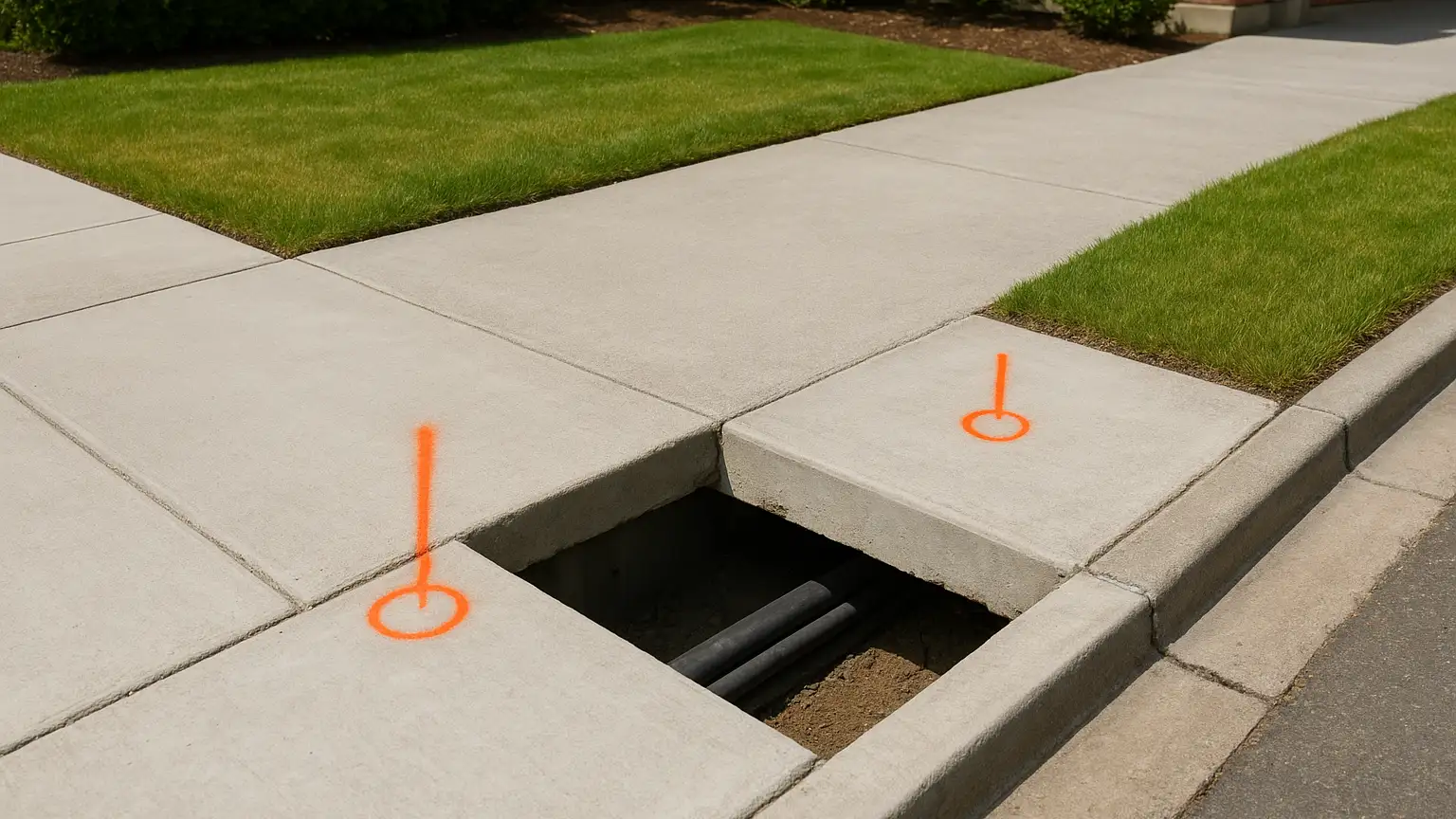
Where the construction entrance lands usually becomes the curb cut, the driveway, the conduit path, and finally the permanent gate. So the spot needs more than a quick glance. A concrete truck needs a wide swing. If the opening is too tight or too close to a corner, drivers cut across the swale, crack the sidewalk, and clip fence posts. Drivers pulling out also need a clear view of cars, bikes, and kids walking past hedges and stacked pallets. And there has to be room to stage deliveries inside the fence, so trucks are not idling in traffic waiting their turn.
Counting Every Person Who Walks Through
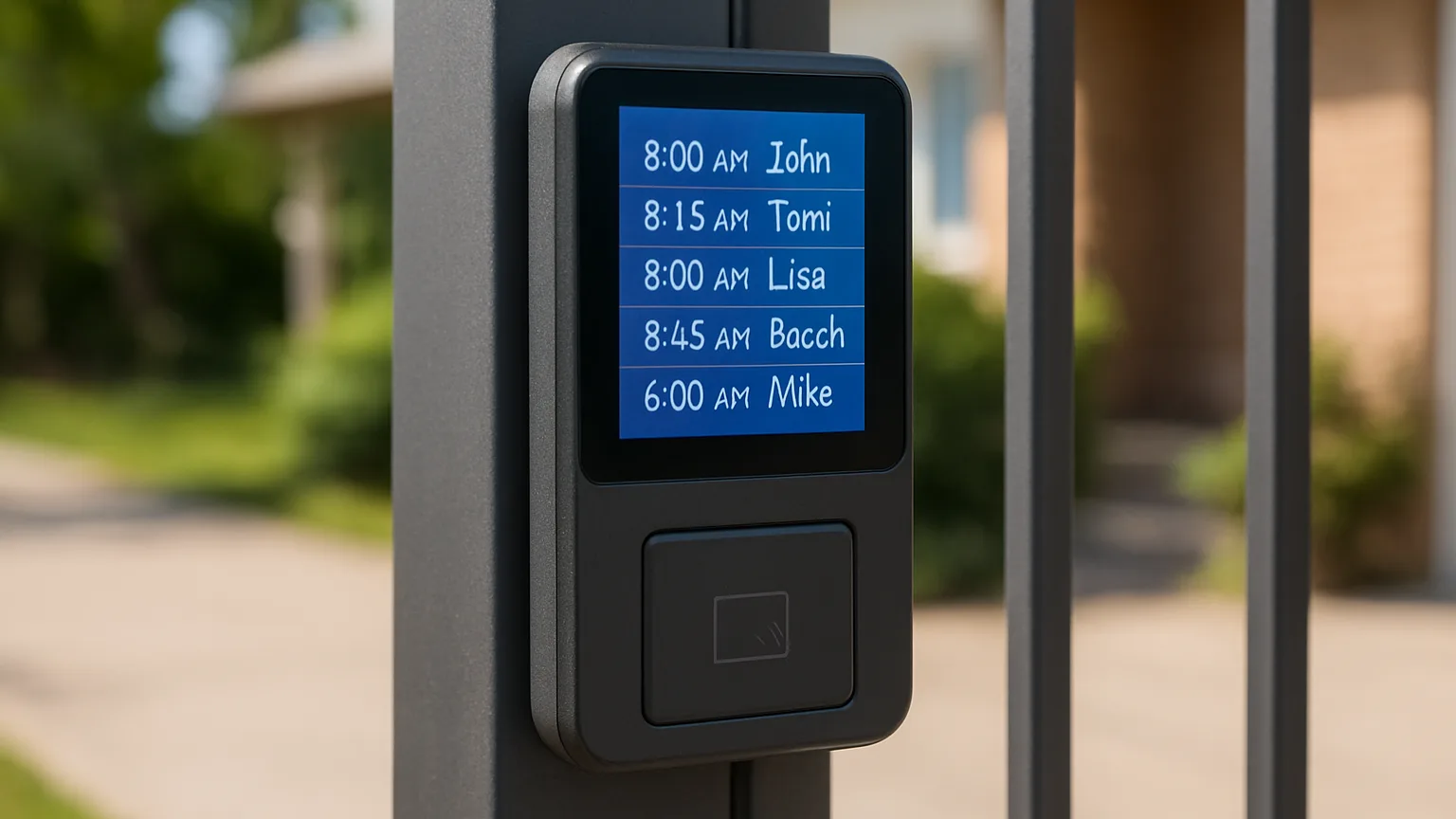
Once the gate is in place, it does a quiet job every day. It tells you who is on site. A coffee-stained sign-in sheet cannot do that when a storm rolls in and the crew gathers at the muster point. Was it forty people this morning, or forty-three? Turnstiles, badge gates, and real headcounts answer that in seconds. They also speed up emergency response and make it clear who was on site, and when, if something goes wrong.
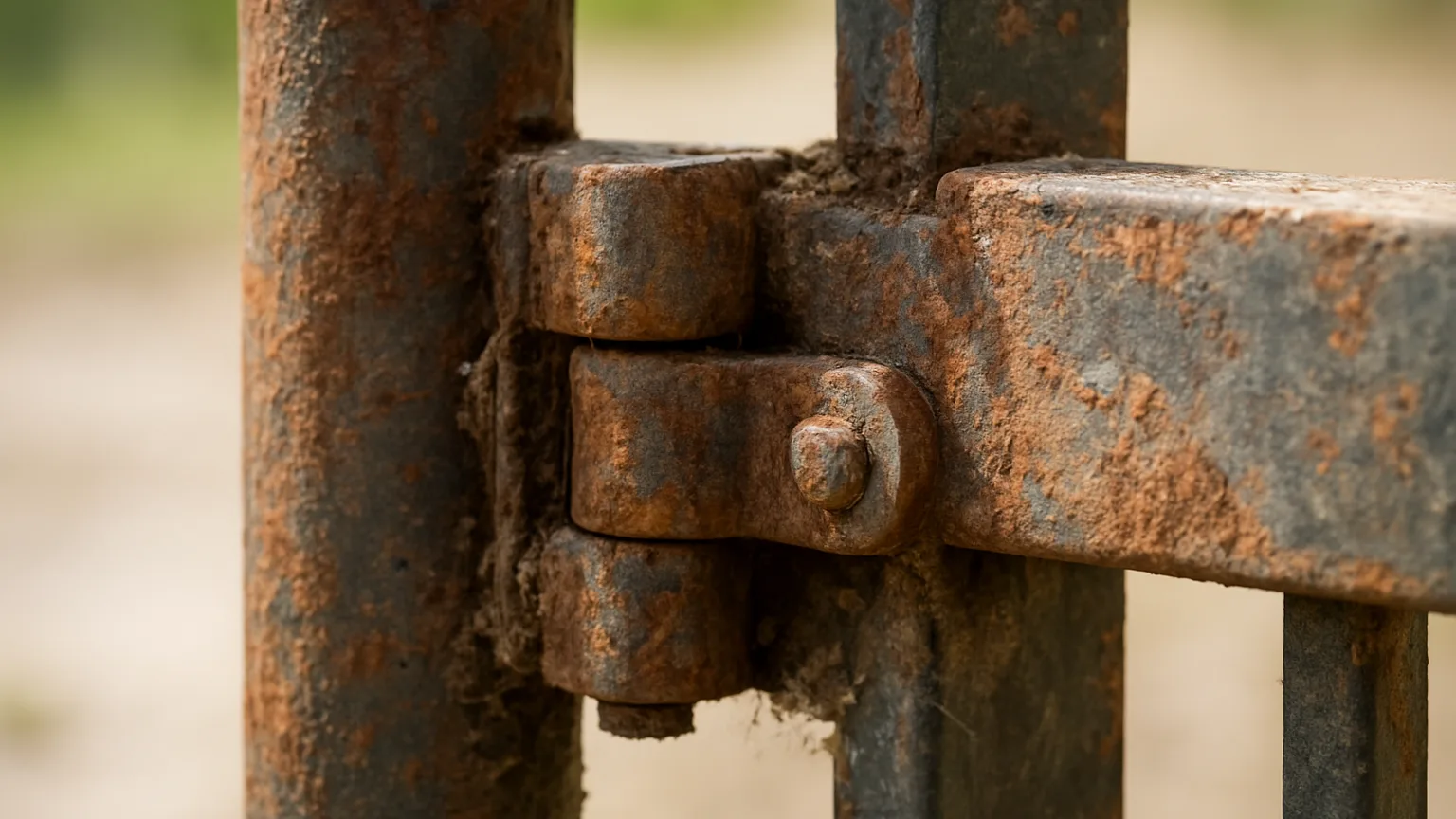
The second half turns to the permanent automated gate. It cycles thousands of times a year, and it is strong enough to pin a car, or a child, against a post. That is where code rules and handover habits matter most.
An automated gate is really two products bolted together, and each has its own rulebook:
- UL 325 covers the operator: the motor, controls, and sensors.
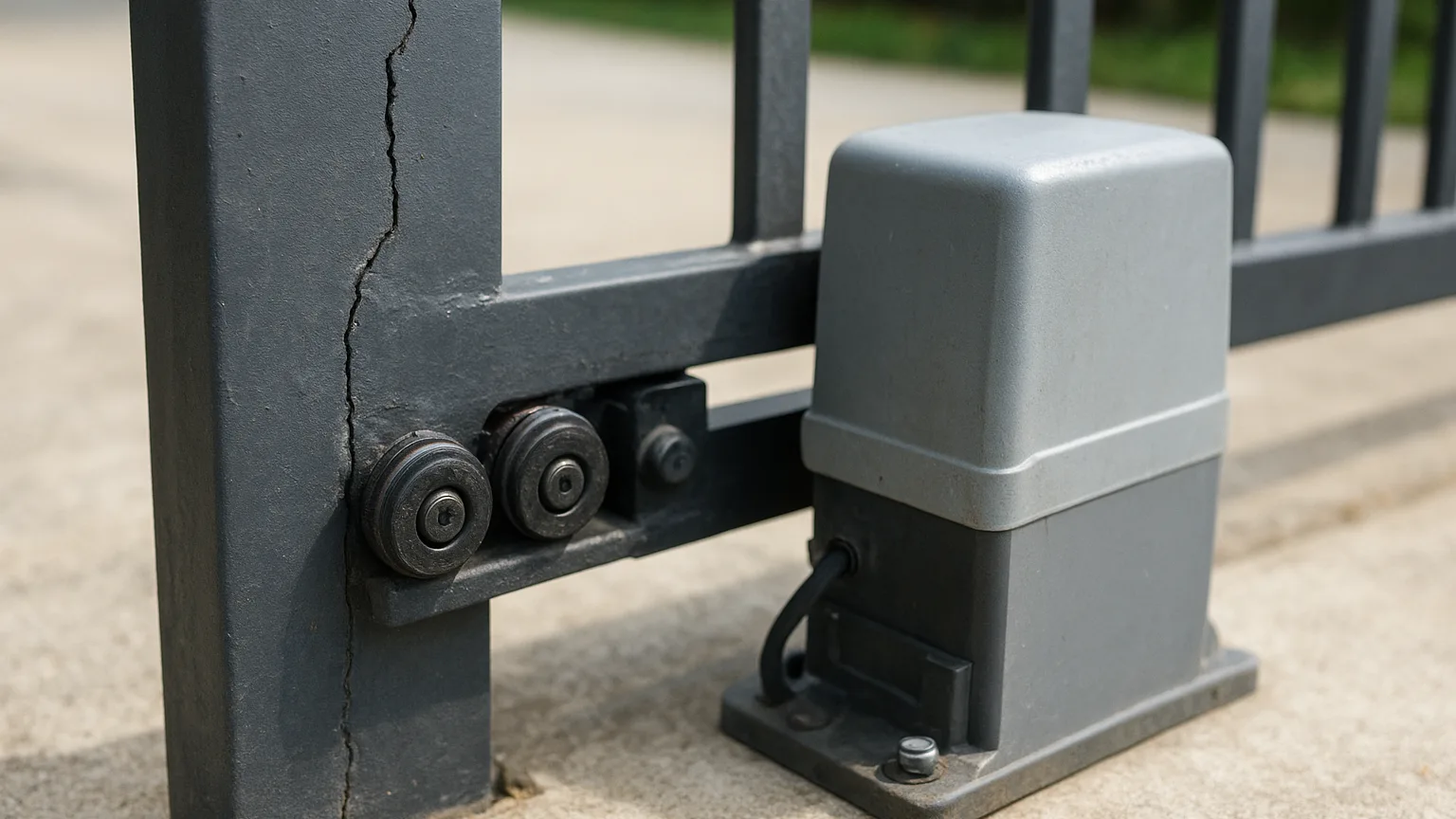
- ASTM F2200 covers the gate itself: the steel, rollers, and posts.
- The gap shows up when the fence crew and the electrician each assume the other one handled safety.
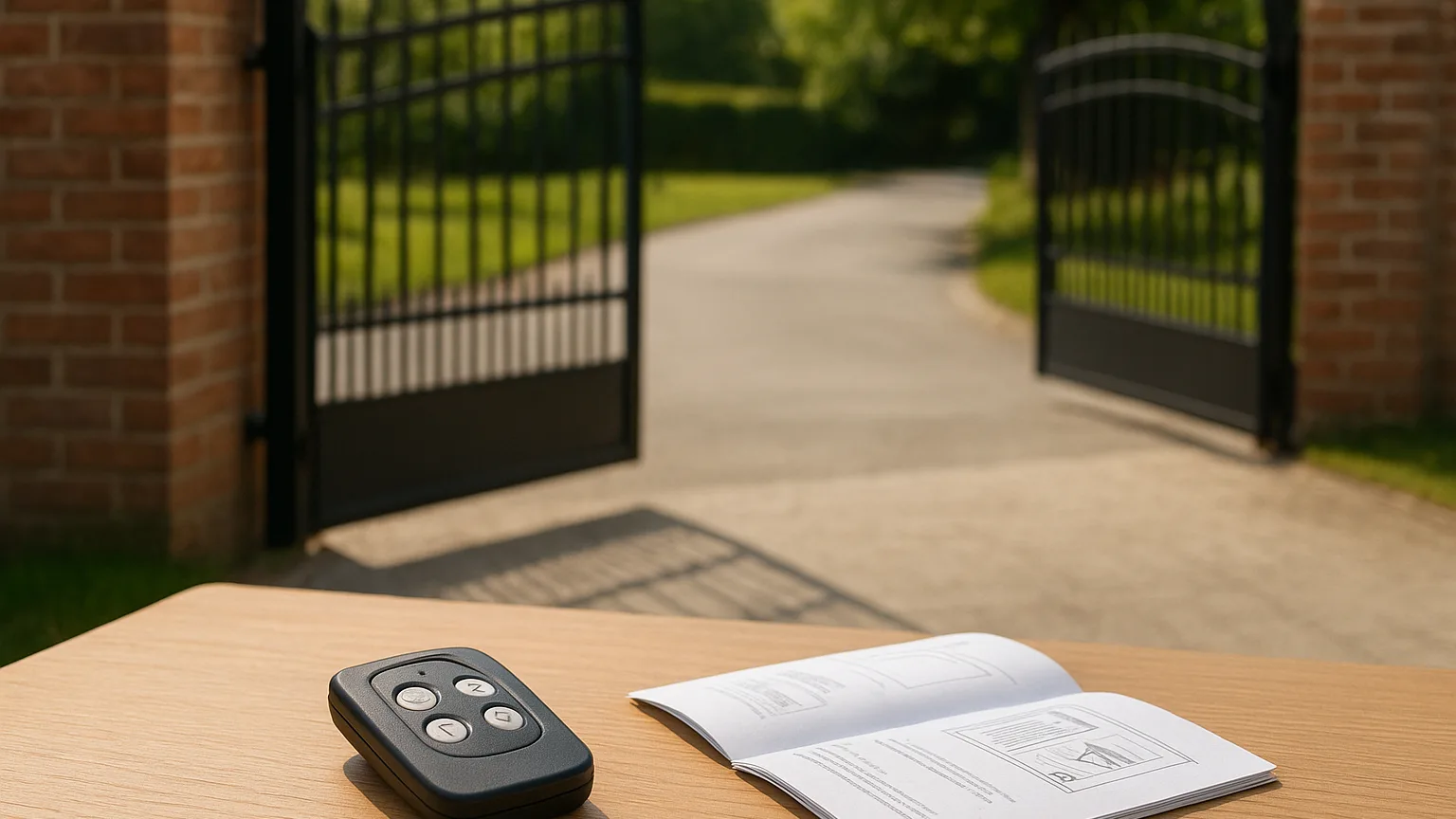
Then comes the handover. Too often the gate opens once while the buyer watches, and everyone calls it done. Six months later a sensor is caked in salt, the battery backup is dead, and the manual release key is lost. Proper commissioning, hands-on owner training, and a written maintenance schedule fix that before it starts.
Start at the Curb or Jump to Your Problem
The parts below follow the gate in order, so starting with Part 1 gives you the full picture, from the first truck through year five. Each part also stands on its own. If you are laying out a new site, the first part fits best.
If your question is about crew safety, codes, or a gate that already gives you trouble after move-in, go straight to the part that matches it. Either way, you will see the gate as what it really is: the one moving piece that decides how well the whole perimeter works.