
Where the First Truck Turns Decides Everything
Your jobsite entrance quietly shapes the finished gate. See how truck turns, headcounts, UL 325 and handover habits decide what owners pay for later.
Everything Hinges on the Gate: The Complete Series: part 1 of 4.
On most Miami builds, nobody holds a meeting about the gate. A superintendent walks the lot, points near the street, and says, "Trucks come in here." That spot becomes the curb cut, the driveway, the conduit path, and finally the permanent automated gate. If it was the wrong spot on day one, the owner lives with it for decades.
This series was shaped with insights from American Fence, whose work on fences and gate systems shows how often perimeter trouble traces back to the one part that moves.
Three Checks Before the First Delivery
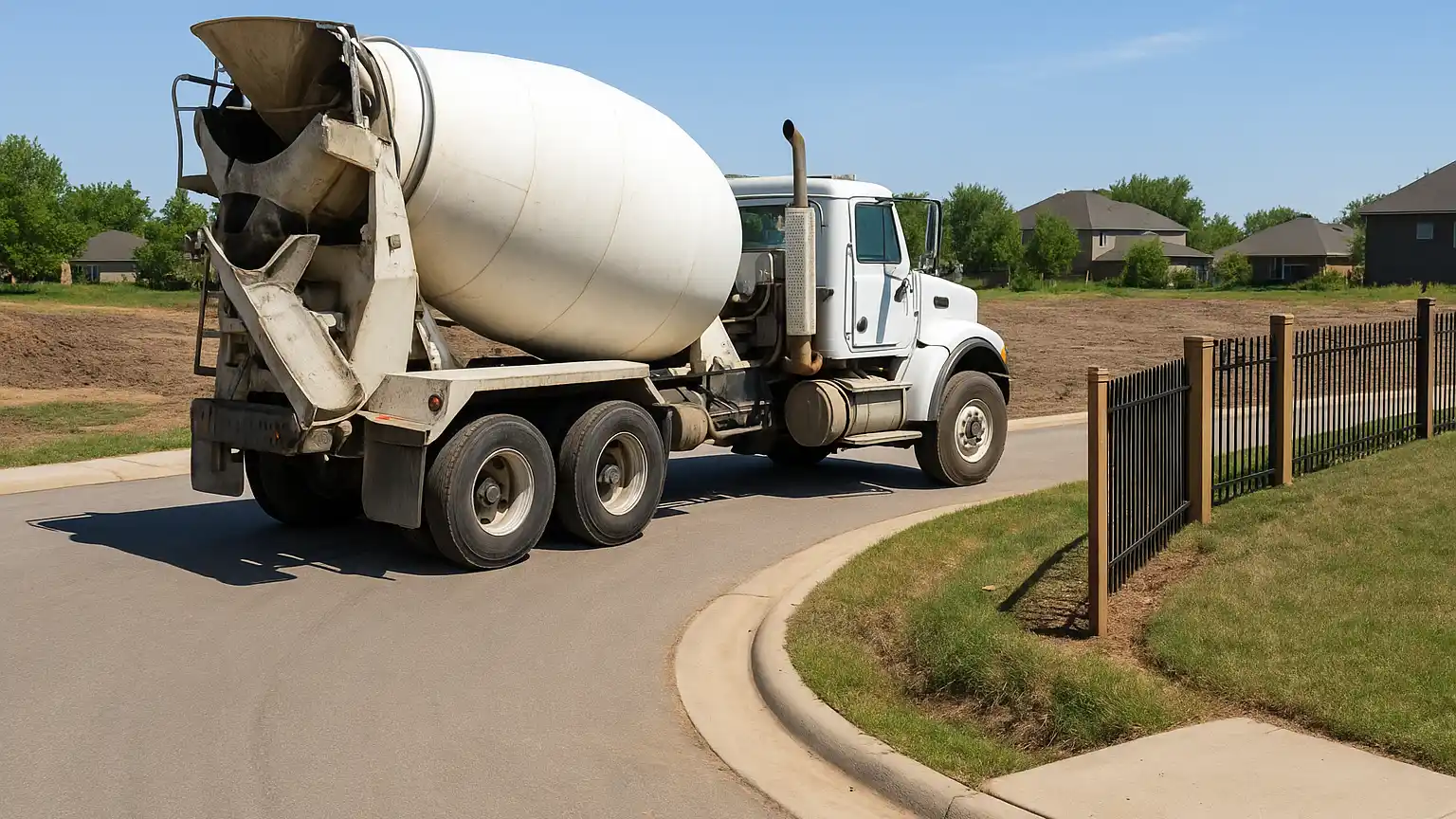
- Turning radius. A concrete truck or a trailer hauling a mini excavator needs a wide swing. If the opening is too narrow or too close to a corner, drivers cut across the swale, crack the sidewalk, and clip fence posts.
- Sight lines. Drivers pulling out need to see cars, bikes, and kids walking to school past hedges, parked cars, and stacked pallets.
- Staging room. Trucks should wait on your lot, not in a travel lane, while someone hunts for the padlock key.
Those checks outlast the crew. Moving vans, pool service trucks, and fire engines all face the same corner, and a finished gate set too close to the street leaves cars idling in the road while it opens. Every backing move at a cramped entrance also adds struck-by risk, the same danger that makes crews respect how much a cubic yard of soil weighs once it starts moving.
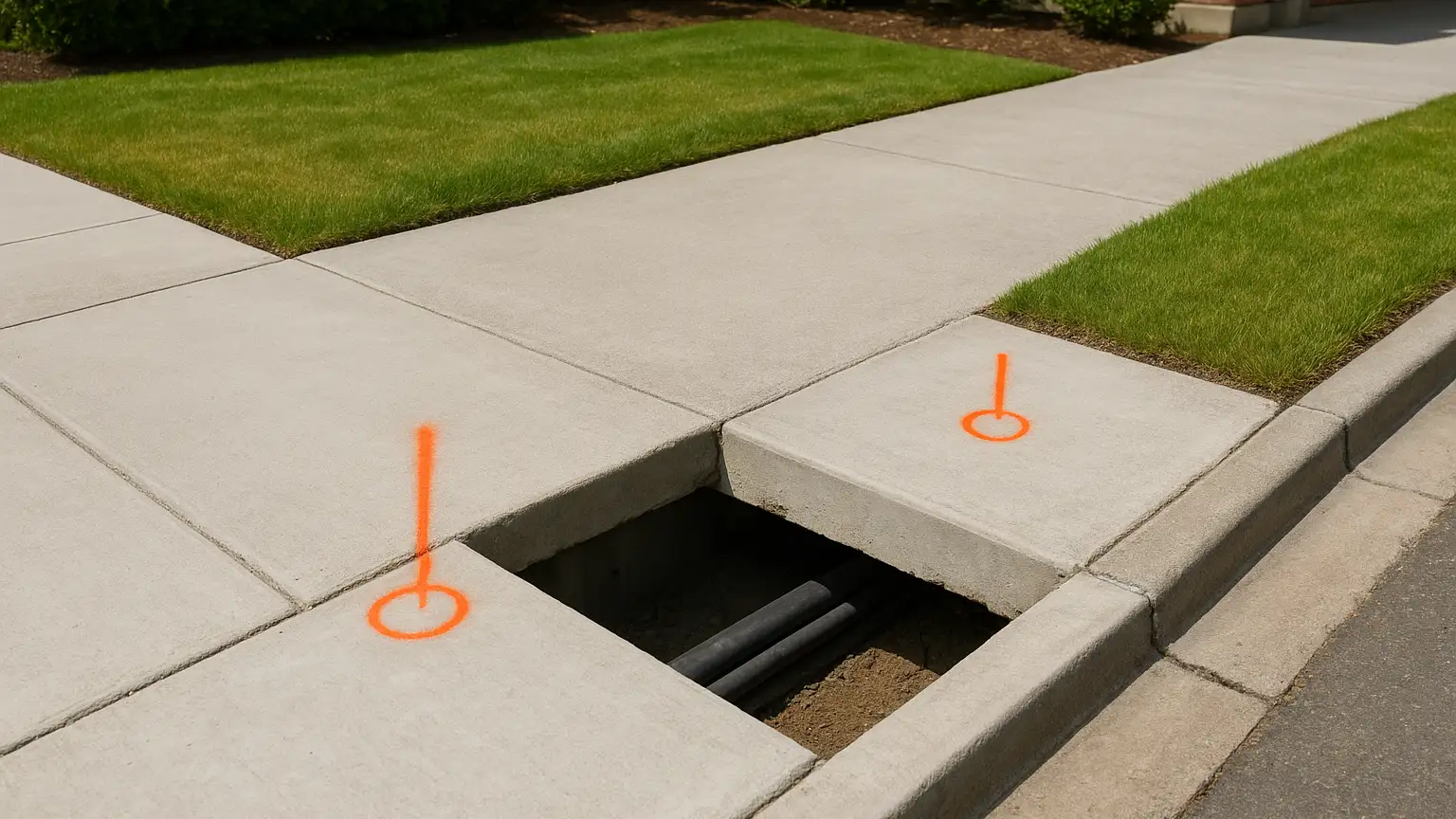
Plan the temporary entrance and the permanent gate as one decision. Sleeve conduit under the future driveway before the slab or pavers go down, and mark where the keypad pedestal and operator pad will sit. Running power later means cutting pavers, the bill owners never expected.
Once the entrance is set, it becomes the place to know who is on site. A lot with three loose gaps in the fence can't answer a simple question when a fire starts or a lightning storm rolls in: is everyone out? One controlled opening fixes that, usually with a mix of these tools:
- Turnstiles that let one person through at a time, so the count stays honest.
- Badge gates that log each worker by name and time and flag anyone who never finished safety orientation.
- Simple headcounts at the start and end of shifts, with a sign-in sheet as backup when the power is out.
A live list instead of names shouted across a slab tells rescue crews exactly who is missing and where to look. That habit of tracking who is on site also settles disputes about hours, deliveries, and damage. On shorter fall evenings, the habits used for securing outdoor builds after dark apply too: lock the single entrance, light it well, and keep tools out of sight from the street.
Automated Gates and the Rules Behind Them
When the permanent gate gets a motor, two standards take over. Builders who treat them as fine print are the ones who end up in court.
UL 325 Covers the Operator
UL 325 is the safety standard for the gate operator, the motor and controls. It requires entrapment protection, such as photo eyes and sensing edges, that the operator actually monitors. If a sensor is missing or unplugged, the gate should not run normally, because a closing gate can crush a child, a pet, or a car.
ASTM F2200 Covers the Gate Itself
ASTM F2200 deals with how the gate is built: covered rollers on slide gates, guarded pinch points, openings too small for a hand to reach moving parts, and stops that keep the gate on its track. Gate pros like American Fence often see a nice-looking gate paired with an operator that was never meant for it.
Skipping a photo eye to save a few hundred dollars feels small during the build. After an injury, it becomes the center of a lawsuit, exactly the gap explored in what the standards require for builders and owners.
A gate can pass inspection and still fail the owner within a year. The difference is the handover: testing every function with the owner watching, not flipping the switch once. Gate operators live outdoors, in salt air and standing water, so the wiring deserves the same care crews give temporary power before rainy season soaks a site.
What a Solid Handover Includes
- A full test of open, close, reverse, and stop, with each safety sensor blocked on purpose.
- Owner training on manual release, remote pairing, and what the warning lights mean.
- A binder or digital file with the operator model, wiring diagram, and warranty dates.
- A written maintenance schedule: a quick monthly check by the owner and a yearly service visit.
- Battery backup testing, which matters when Miami storms knock out power.
Owners who get this package rarely call in a panic. Owners who don't end up prying a stuck gate open during a blackout. Building a proper gate handover into the closeout list costs far less than a service call every few months.
The Gate Remembers Every Decision
A gate's life starts with a superintendent pointing at a patch of dirt. That choice sets the truck path, the sight lines, the staging room, and the conduit route. From there, the gate becomes the checkpoint for every worker, then a machine bound by UL 325 and ASTM F2200, and finally a daily tool the owner has to trust. Place it with care, control it with intent, build it to the standards, and hand it over with real training. Do that, and the gate still opens smoothly in year five instead of turning into the owner's most expensive headache.
The next part in this series zooms in on headcounts, badge gates, and how fast a crew can answer the question of who is still inside.