
The Muster Point Question Nobody Can Answer
A storm siren sounds and the foreman needs a number fast. See how turnstiles, badge gates, and live headcounts turn chaos into a clear answer.
Everything Hinges on the Gate: The Complete Series: part 2 of 4.
Part 1 followed the jobsite gate from where it sits on the lot to how it gets handed over at the end. This part zooms in on one job that gate does every day: knowing exactly who walked through it.
This series was shaped with insights from American Fence, whose work on perimeter fencing and access gates shows how much a site's safety depends on that one opening in the fence.
Picture a busy Miami build at 2:40 on a summer afternoon. A storm cell rolls in faster than forecast, and lightning hits close. The super calls everyone to the muster point by the trailer. Forty people show up. Then someone asks the question that matters most. Was it forty this morning, or was it forty-three?
Nobody knows. The sign-in sheet on the trailer door has coffee stains and three unreadable names. One drywall crew came in through the side gate. A delivery driver walked to the back of the lot. Now the super has to send people back into danger to look for workers who may not even be there.
That is why access control is not paperwork. Miami sites deal with sudden storms, wet temporary power, and heat that knocks people down without warning. Anyone who has read up on site safety before rainy season soaks the lot knows how fast a normal day turns into an emergency. When it does, the count is the first thing rescuers ask for. A good gate answers in seconds. A bad one leaves it to guesswork.
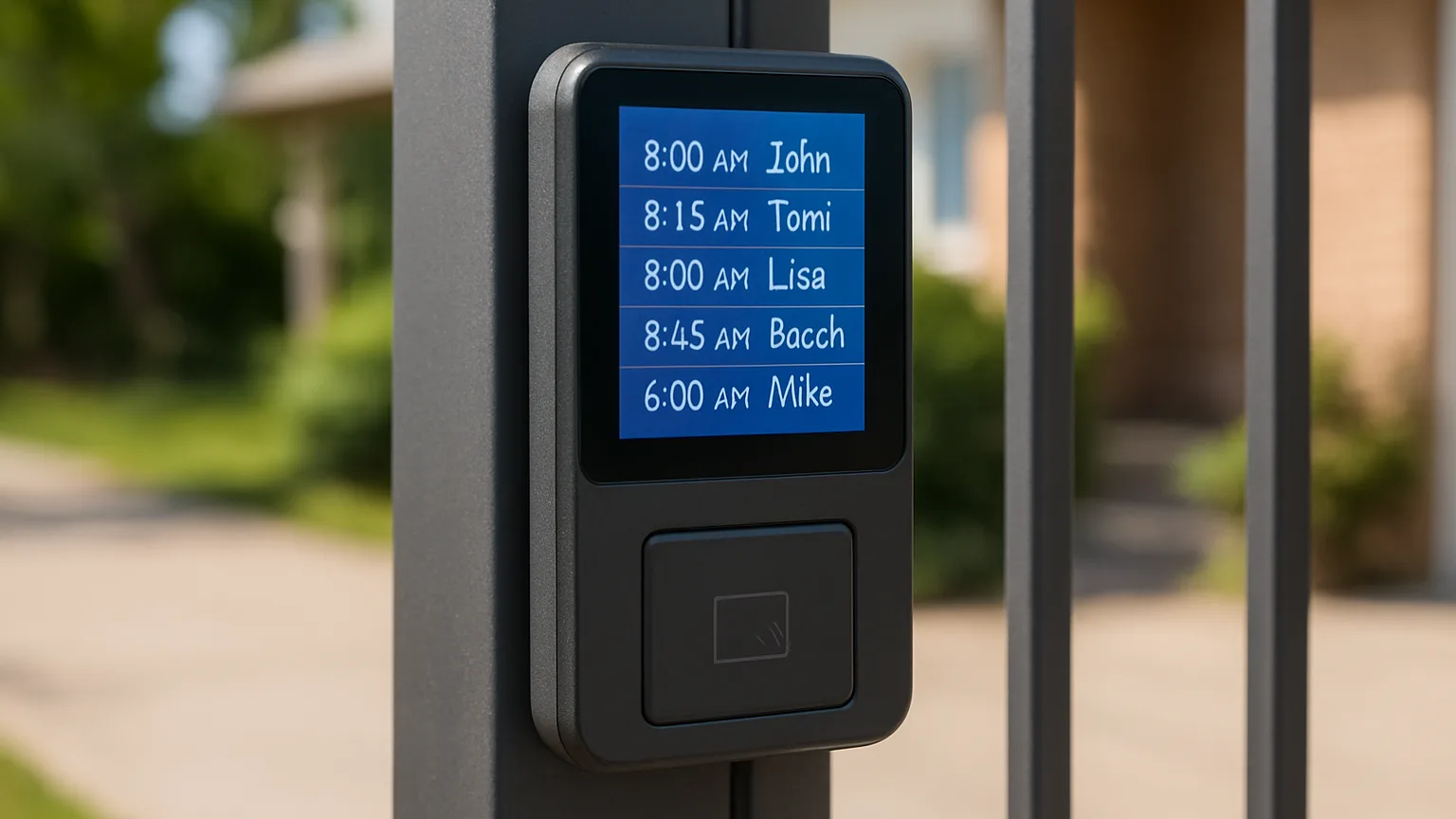
The tools are simple. What makes them work is using them together, with only one way in.
Turnstiles Stop the Shortcut
A full-height turnstile lets one person through at a time, so it is hard to tailgate or skip. That matters because every unlogged entry breaks the count. If the gate design lets crews squeeze around the side, the whole system leaks. This is where the early choices in Part 1 about placing the jobsite entrance pay off or come back to bite.
Badge Gates Put a Name on Every Swipe
A badge reader turns a body into a record. Each worker taps in and taps out, and the system logs the name, company, time, and often the training on file. A worker with an expired safety card gets stopped at the gate instead of found on a scaffold.
The Live Headcount Is the Payoff
Swipes in minus swipes out equals people on site, shown in real time on a phone or tablet. In an emergency, the super pulls up the list, checks names at the muster point, and knows who is missing within a minute.
A solid setup usually includes:
- One controlled entry for workers, with vehicle gates kept separate and watched.
- Badges tied to training, so OSHA cards and site orientation are checked at the turnstile.
- A visitor process for inspectors, drivers, and owners, with temporary badges that expire.
- Mobile roster access for the super and safety lead, not just a screen in the trailer.
- Backup power so a lost circuit does not wipe out the count during a storm.
The count matters in quieter emergencies too. A trench wall gives way, or a worker is caught under material. Anyone who knows that a cubic yard of soil weighs as much as a car understands that minutes count. A roster that says "two laborers from the site crew, last seen near the east footing" points rescuers in the right direction.
American Fence's guidance on perimeter design backs up a simple idea: the fence holds the line, but the gate is where you actually control it. If the fence is strong but the gate is loose, the count is only as good as the weakest opening.

Safety is the big reason for badge gates. Accountability is why owners end up loving them.
When a pallet of tile goes missing, the log shows who was on site that evening. When a sub bills for twelve workers over five days, the swipe record shows the real hours. When a fall happens, it shows who was there, who saw it, and whether that worker had current training. That clear trail settles a lot of arguments before they turn into claims.
Theft is a real problem on Miami builds, and it gets worse as days get shorter. The same thinking crews use for guarding materials and tools, from delivery day through the dark winter weeks, applies here. A locked gate with a log is a strong deterrent, and thieves know which sites keep records and which run on trust.
A few habits keep the system honest:
- Close out the roster every night and flag anyone who never swiped out.
- Pull badges the same day a worker leaves the job.
- Review the logs weekly, not only after something goes wrong.
- Train foremen to stop tailgating, even when the crew is in a hurry.
Many sites also link motorized vehicle gates to the same badge system. Those gates move heavy steel near people and come with strict safety rules, which is the focus of the next part on automated gate compliance rules.
A Number You Can Trust When It Counts
With turnstiles, badge readers, and a live headcount, the jobsite gate becomes the one place that knows who is on site at every moment. A storm alarm, a trench collapse, or a fall becomes a quick check of names at the muster point instead of guesswork.
The same records protect owners and builders long after the emergency passes. They settle billing disputes, deter theft, and prove who was trained and who was present. Set up one controlled entry, tie badges to training, keep the roster live, and the answer to "who's still on site?" is always ready in seconds.