
Clear the Builder's Grit Before Your First Night Home
Drywall dust and Miami humidity form a sticky film. Here's the room-by-room clean, filter swap, and carpet airing plan to finish before your furniture arrives.
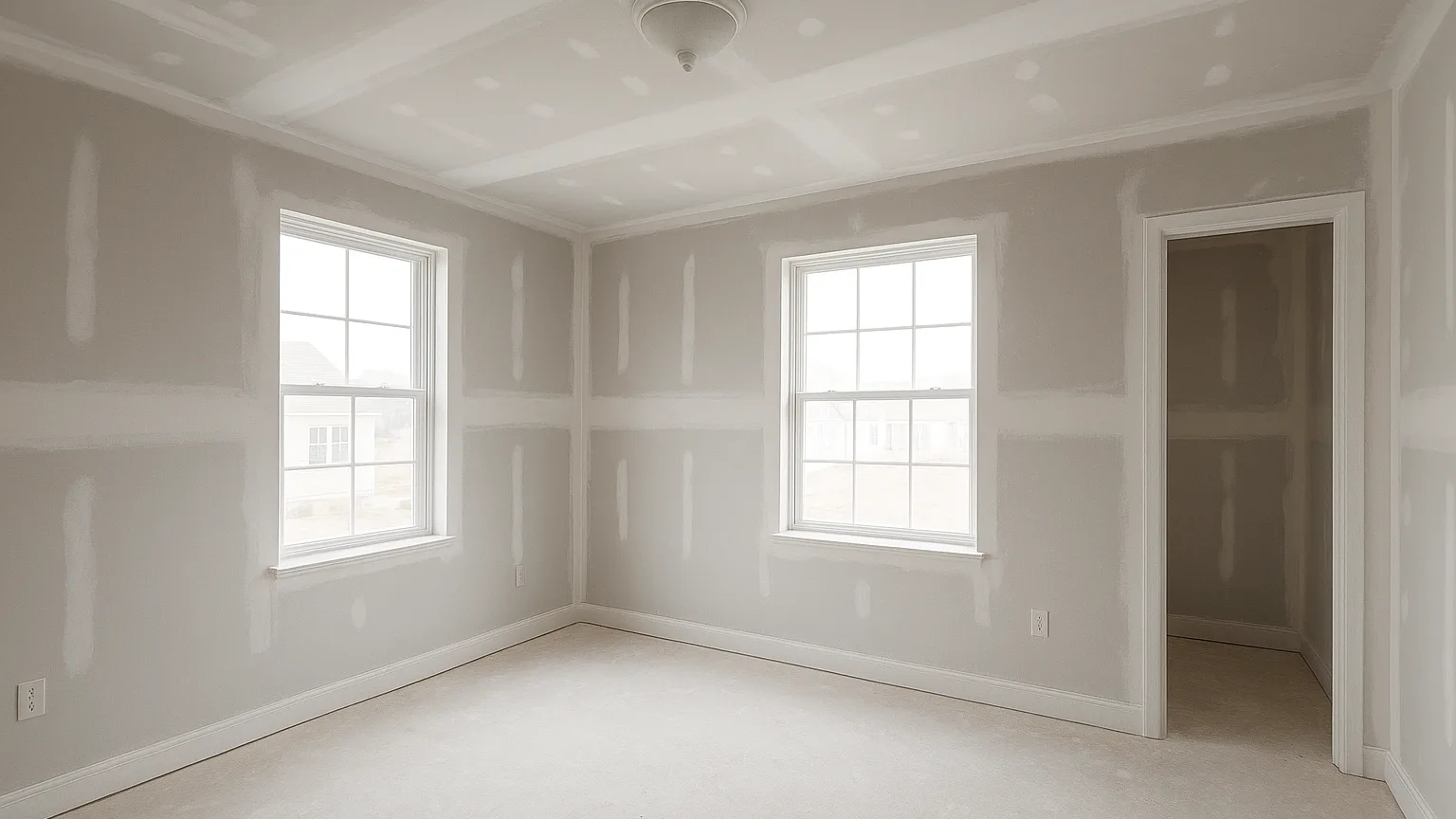
Short answer: A new Miami home needs a full post-construction clean before you move in. Fine drywall dust settles in waves for weeks, and Miami's humidity turns it into a sticky film. Clean the house, change the HVAC filters, and air out the carpet before the movers come, and you start with cleaner air and fewer problems later.
Most buyers think a new house looks spotless once the builder's crew has swept, wiped the counters, and peeled the stickers off the windows. But a "builder clean" is a quick surface pass, not a deep clean. The real mess is the dust you can't see yet.
Dust Settles in Three Waves
- Wave one: the dust you can see on floors, sills, and counters.
- Wave two: the fine powder floating in the air that lands days later.
- Wave three: the hidden dust packed inside ducts, vents, cabinets, and carpet fibers.
A single wipe-down handles only wave one, which is why so many owners find a gray film on the TV stand a week after moving in. The plan below catches all three.
What Humidity Does to Construction Dust
Drywall dust is mostly gypsum. It is very fine and quick to soak up moisture. In a dry climate it wipes away. In Miami, where indoor air can feel damp even with the AC running, it grabs water from the air, clings, and smears instead of lifting. It also gives mold spores something to sit on.
Sawdust, grout haze, paint flecks, and bits of insulation join the mix. Together they can bother your lungs, scratch new floors, and clog a brand-new AC system in weeks. Kids, pets, and anyone with allergies feel it first.
The best window to clean is after the final punch list but before a single box comes in the door. Builders often rush this part, and it's a cousin of the handover step builders skip that causes trouble long after closing. Ask your builder for a few empty days after the walkthrough.
Plan on two passes: one right after handover, and a second three to five days later, once the floating dust has dropped. Empty rooms make both passes faster and far more thorough.
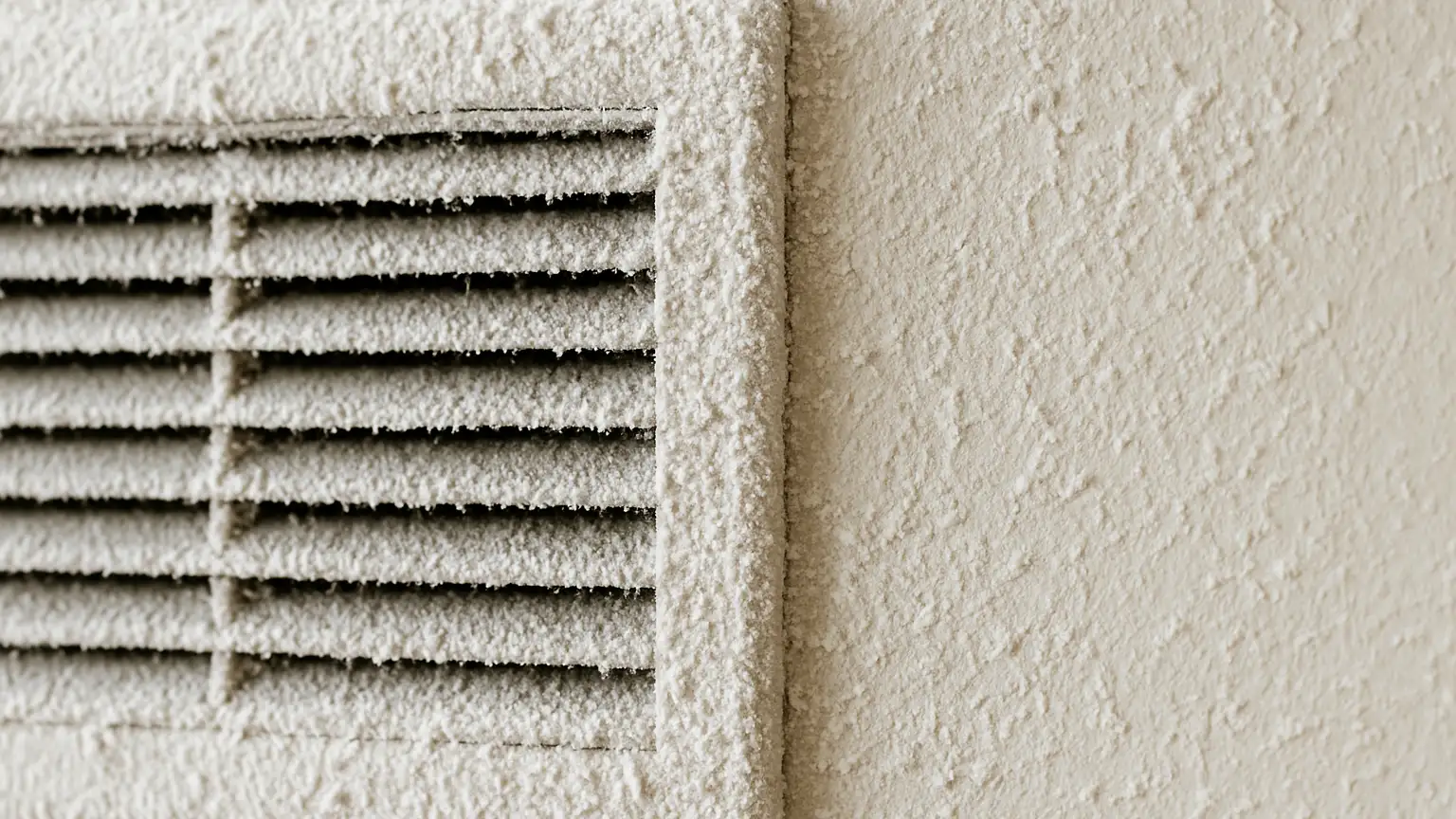
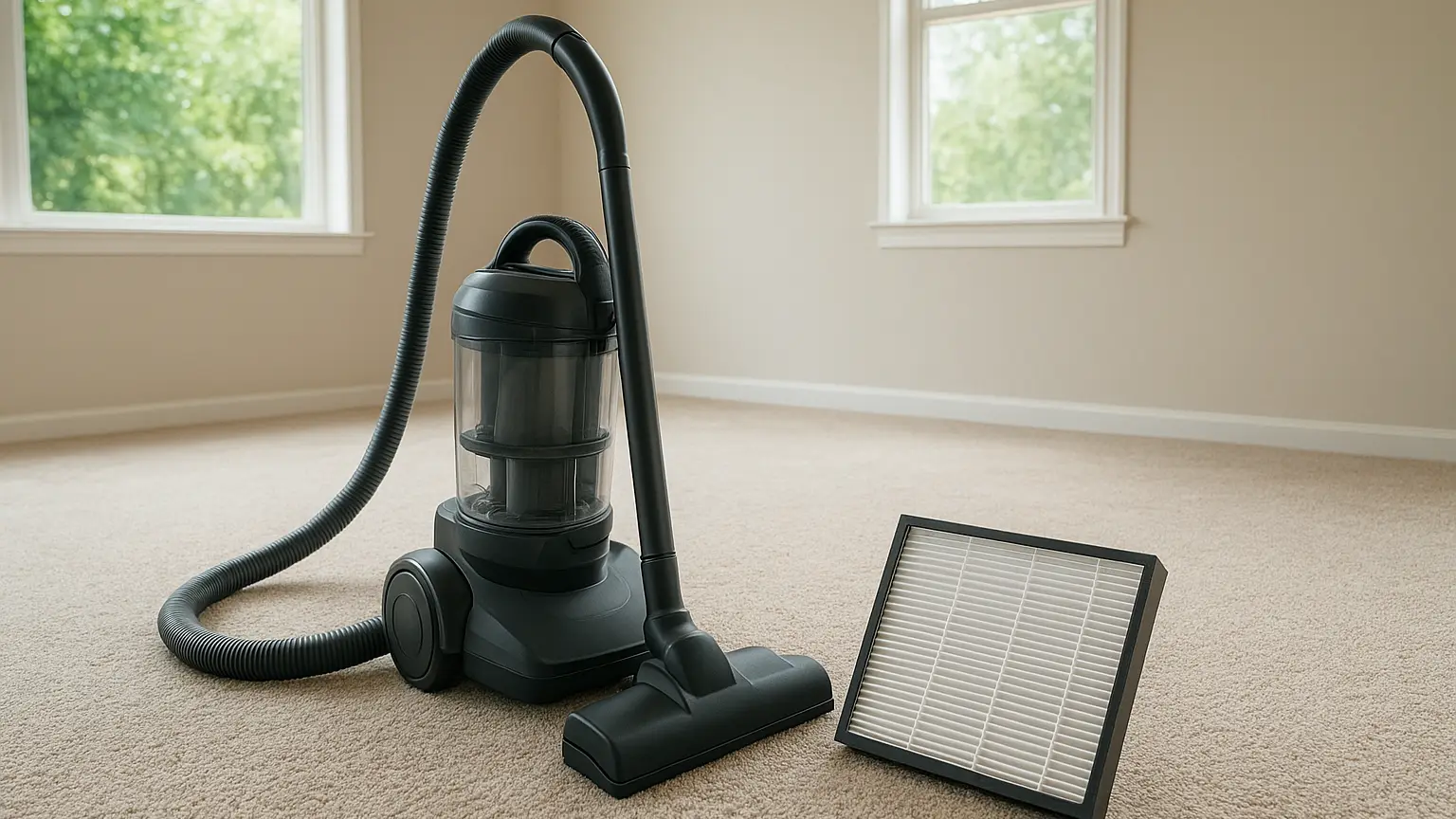
Always clean from the top down and from the back of the house toward the front door. Ceilings and fans come first, floors last, with carpet saved for the very end, since slow, overlapping vacuum passes are the same habit Phoenix carpet care specialists rely on against fine desert dust. Use microfiber cloths and a vacuum with a HEPA filter. A regular shop vac can blow fine drywall dust right back into the air.
Kitchen
Open every cabinet and drawer. Builders rarely clean inside them, and sanding dust drifts into every corner. Vacuum first, then wipe with a damp cloth. Pull out the stove and fridge if you can and clean behind them. Run the dishwasher empty once to flush the lines, and wipe the range hood filter, which often catches more dust than you'd guess.
Bathrooms
Grout haze leaves a cloudy look on tile, and a mild tile-and-grout cleaner works better than harsh acid. Check shower drains for grout chunks and caulk scraps, and run every faucet for a minute to clear the aerators. Wipe the exhaust fan cover, because a dusty fan can't pull out the moisture that leads to mold.
Bedrooms and Living Areas
Wipe ceiling fan blades, light fixtures, and the tops of door frames. Clean window tracks with a vacuum crevice tool, then a damp cloth, and wipe baseboards last. Clean window coverings now too, before they collect a damp, dusty layer, a problem covered in our look at new construction blinds in Miami and why humidity changes the rules.
Garage, Laundry, and Closets
- Sweep the garage, then hose or mop the floor so dust doesn't track in.
- Pull the dryer vent cover and check for construction scraps.
- Wipe closet shelves and rods before clothes go in.
- Vacuum the laundry room floor drain and the washer box.
The HVAC Filter Swap You Can't Skip
Your AC probably ran during the final weeks of construction, pulling drywall dust into the filter and maybe the ducts. A clogged filter makes the system work harder and pull less moisture from the air. In Miami, that's a bad trade.
- Day of handover: replace every return filter.
- After your second cleaning pass: replace them again.
- First 90 days: check monthly and change when gray.
- After that: follow the normal schedule for your filter type.
Pick a pleated filter in the MERV 8 to 11 range unless your HVAC installer says otherwise, and wipe the vent covers. If you see heavy dust inside the ducts, ask the builder whether they were sealed during sanding. If not, a duct cleaning before move-in is a fair request.
If you hire out the whole job, ask how the crew handles fine dust, what vacuums they use, and whether they clean inside cabinets, a spot that even a thorough rental cleaning checklist flags as easy to miss. Reading about how Phoenix carpet cleaners compare in a desert market like Arizona shows the same traits matter everywhere: clear pricing, quick drying, and real attention to detail.
In South Florida, a healthy house is one that stays dry. New homes hold a lot of moisture from fresh concrete, paint, drywall mud, and grout, and that water moves into the air over the first few months.
Simple Mold Prevention for Humid Homes
Keep indoor humidity between 40 and 50 percent. A cheap hygrometer from a hardware store will tell you where you stand. Run the AC steadily instead of shutting it off when the house is empty. A home that sits closed and warm for a week can grow mold behind furniture and inside closets.
- Leave closet and cabinet doors open for the first few weeks.
- Run bathroom fans for 20 minutes after every shower.
- Keep furniture a few inches off exterior walls at first.
- Wipe up any water from window sills after heavy rain.
- Use a dehumidifier if readings stay above 55 percent.
Airing Out and Deep-Cleaning Brand-New Carpet
New carpet hides two problems. It traps construction dust deep in the fibers, often from trades who walked on it after install, and what a rug hides ends up in the air you breathe. And new carpet, pad, and glue release chemical smells. This off-gassing is strongest in the first few days.
Start with fresh air. On a dry, breezy day, open the windows and run fans pointed outward for a few hours, over several days if you can. Keep the AC running between sessions so humidity doesn't creep up. Skip storms and muggy afternoons, or you'll trade one problem for another.
Then vacuum slowly, twice per room, the second pass in the opposite direction. Fine drywall dust sits low in the pile, and a quick pass skims right over it. Empty the canister often.
When a Deep Clean Makes Sense
If the carpet still feels gritty or smells strong after a week, a professional cleaning before move-in is a smart call. The key in Miami is drying time. Desert air helps even the most well-reviewed carpet crews in Phoenix finish a job in hours, but here you'll want a company that uses strong extraction and runs fans and the AC afterward. Carpet that stays damp for a day or more can grow mold in the pad, the last thing you want under a brand-new bedroom.
"Construction dust is sharp and fine, so it acts like sandpaper on new fibers every time someone walks across the room," says Marcus Reyes, senior carpet care specialist at Dr Chemdry. "In a humid place, we tell owners to pick a method that uses little water and dries in a few hours. Fast drying protects the pad and keeps the room fresh."
Keep foot traffic light until the carpet is fully dry, and go shoe-free for the first month. A doormat at every entry catches the outdoor sand Miami homes collect so easily.
A Quick Move-In Readiness Check
Before the moving truck arrives, swipe a white cloth across a high shelf, check a vent cover and the new filter, and smell the bedrooms after the house has been closed up overnight. If the cloth stays clean, the filter looks fresh, and the rooms smell neutral, you're ready.
Your First Breath in the New House Should Be Clean
New construction dust doesn't leave in one cleaning. It settles in waves, and Miami humidity makes it cling and feed mold. The fix is a two-pass clean, top to bottom and room by room, including cabinets, vents, drains, and window tracks. Swap the HVAC filters at handover and again after the second pass, then keep humidity between 40 and 50 percent.
Give new carpet the same care: air it out on dry days, vacuum slowly in two directions, and choose a fast-drying deep clean if grit or odor lingers. Do all of this before furniture and family arrive, and your new home will feel as healthy as it looks from the very first night.