
The Fatal Four Come Home to Residential Sites
Low roofs, short ladders, and open stairwells cause some of the worst falls on Miami home builds. See why, and which fall protection fits house-scale work.
Ask a framing crew which job feels safest, and many will point to the one-story ranch house. The roof is low. The ladder is short. Nobody ties off for a quick fix. That feeling is exactly what makes falls so deadly on home builds. Falls are the top killer in all of construction. They lead OSHA's "Fatal Four," the four hazards behind most worker deaths: falls, struck-by, caught-in or between, and electrocution.
This series was shaped with insights from Mooshekh Law Firm, whose work with injured construction workers shows what happens long after the ambulance leaves. Their view of these cases makes one point clear. The "small" falls are not small at all.
Miami adds its own twists. Crews work in brutal heat and thick humidity. Afternoon storms leave decks and tile slick. Many jobs run with small crews on tight schedules. Concrete block homes often go up two stories, with open stairwells and slab edges sitting unguarded for weeks.
The Series at a Glance
- Part 1: Falls from roofs, ladders, and open floor edges.
- Part 2: Struck-by and caught-in hazards, from swinging loads to sandy trenches.
- Part 3: Electrocution risks, plus one daily site walk that covers all four.
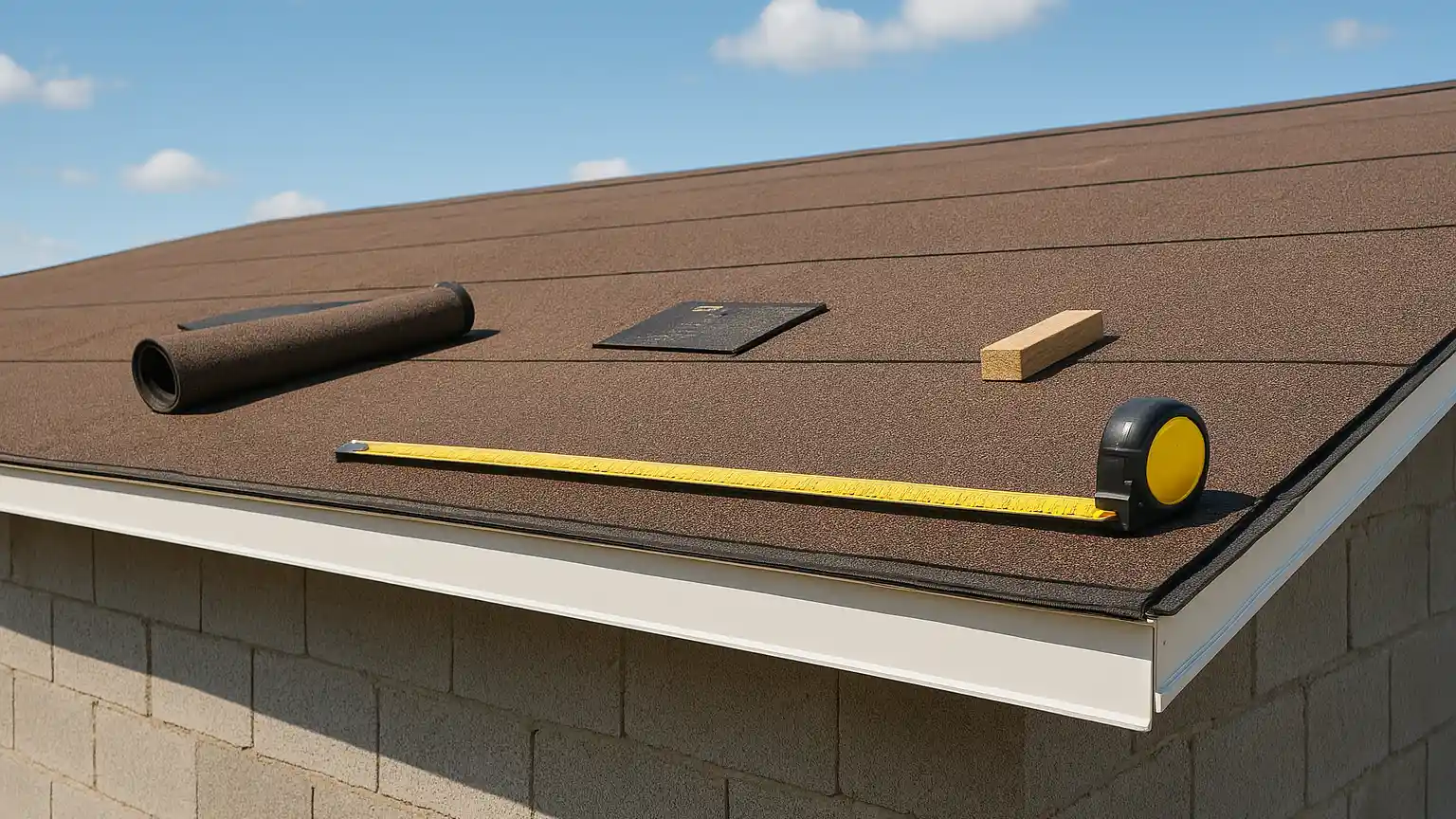
Height is not the only thing that matters in a fall. How a person lands matters just as much. A worker who drops eight feet has no time to twist or brace. They often land on their head, back, or wrists. Concrete slabs, rebar, block stacks, and tools on the ground make it worse.
That is why OSHA sets the fall protection trigger for residential work at just six feet. Above that, workers need guardrails, nets, or a personal fall arrest system. A single-story roof clears that line easily.
Low Roofs
Low-slope and flat roofs fool people. They look easy to walk, so workers drift toward the edge while measuring or hauling materials. Tile roofs bring loose pieces and slick underlayment, especially after rain. Roof trades keep coming back too, which is why planning anchor points early helps anyone going solar-ready from the start, since installers will be up there long after the roofers leave.
Ladders
Most ladder falls come from a few habits. The ladder is set at a bad angle. It does not reach high enough. Someone carries a load while climbing. Or the feet sit on soft, wet sand. Ladders also come out for quick tasks, like window and trim work. Small jobs such as swapping windows on older homes are where shortcuts happen, much like the permit surprise lurking in older Miami houses catches owners off guard.
Open Floor Edges and Stairwells
On two-story block homes, the second-floor slab often sits open on one or more sides. Stair openings wait weeks for railings. Floor holes for plumbing or skylights get covered with scrap plywood that nobody marks. A worker backing up with a load can step right off.
The injury cases that firms like Mooshekh Law Firm handle show a pattern. Many serious falls happen during routine moments, not risky ones. Someone steps back to check a line. Someone reaches just a little too far.
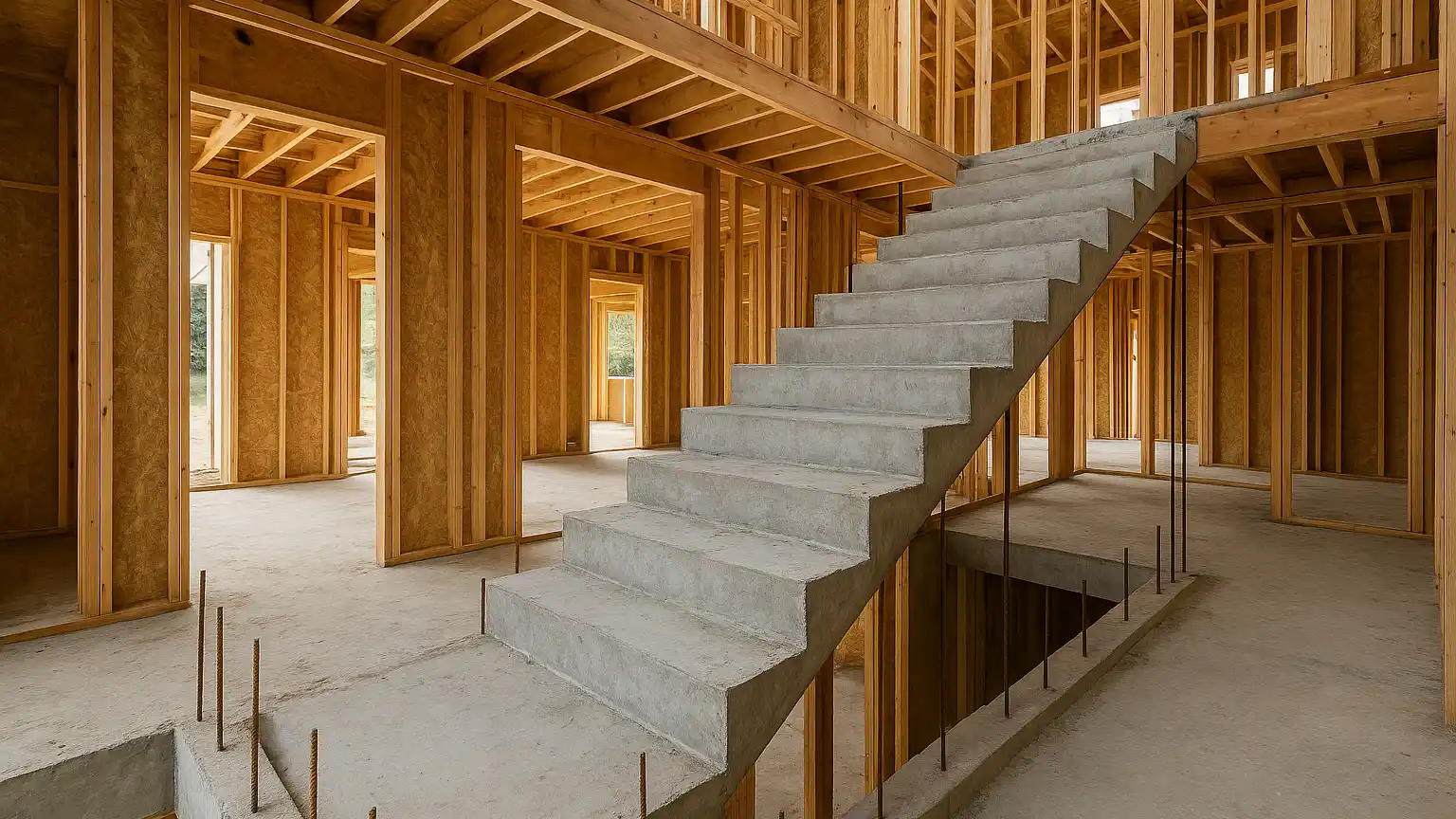
Fall protection does not need to look like a high-rise setup. On home builds, the best tools are simple, cheap, and quick to put up. The real trick is making them part of the routine.
Controls That Fit Residential Work
- Roof anchors: Install them at the ridge before sheathing work starts. Leave them in place for later trades.
- Guardrails: Put them on slab edges and stair openings the same day the floor is poured or framed. The top rail should sit about 42 inches high.
- Hole covers: Use covers strong enough to hold twice the expected load. Secure them and mark them "HOLE" or "COVER."
- Ladder setup: Use a 4-to-1 angle. Extend the ladder 3 feet past the landing. Set it on firm footing, never loose sand.
- Three points of contact: Haul tools up with a rope or hoist, not in your hands.
- Weather calls: Get off the roof when storms roll in, and wait until surfaces dry.
The Human Side
Gear only works if people use it. Heat fatigue makes workers sloppy, so plan roof work for early morning. Give new hires a walkthrough of every open edge. Make it normal to stop work and fix a missing rail.
When a fall does happen, families face hard choices about medical bills and lost wages. Many of them compare lawyers the way people weigh ranked personal injury firms in Arizona, looking for ones that take hard cases and push back on insurers. Prevention beats all of that.
Falls are just the first of four hazards. Crews who guard edges still face falling block, swinging loads, and trench walls, covered in Part 2 on struck-by and caught-in hazards. Part 3 then tackles overhead line risks and wet temporary power.
Respect Every Edge, No Matter How Low
The one-story roof, the short ladder, and the half-built stairwell all share one danger. They feel too ordinary to fear. Falls lead OSHA's Fatal Four for a reason. On Miami home builds, heat, storms, and fast schedules make those everyday edges even riskier.
The fix is not complicated. Set anchors early, guard every opening, use ladders the right way, and let the weather make the call when needed. Treat a six-foot drop like a sixty-foot one, and your crew goes home whole. Next comes the danger from above and below, where falling loads and collapsing soil take their turn.