
Beat the Water Table: Your Dry Season Septic Permit Plan
Miami-Dade septic permits stall once the water table rises. Get soil tests, design, and approval done in the dry months so you can dig on schedule.
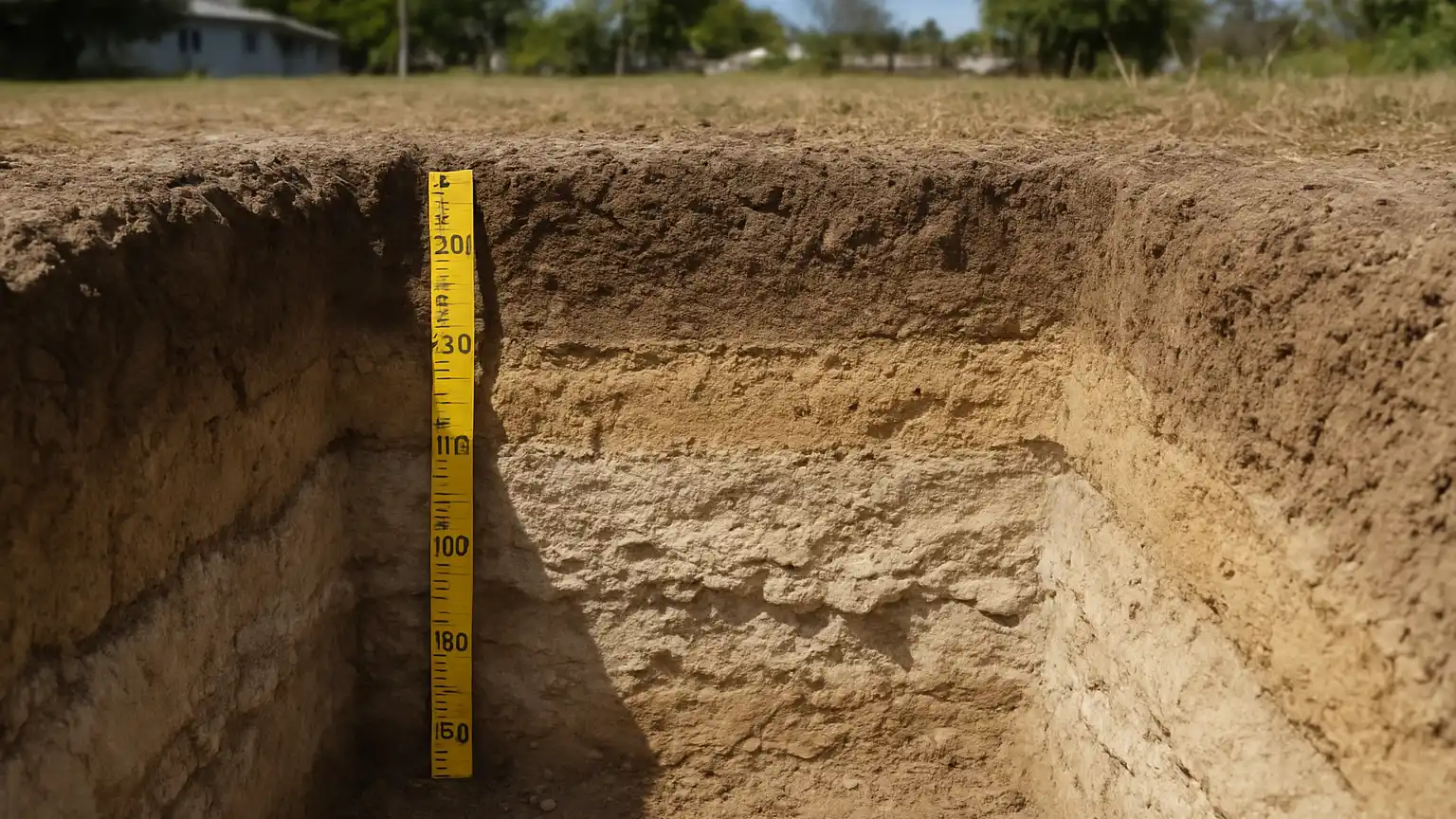
Most septic delays in Miami do not start with a cracked pipe or a bad tank. They start with a calendar. A soil test done in August can tell a very different story than one done in February. The permit that follows can swing by months because of it.
This guide was shaped with field insight from Macho Contracting, a team that has spent years installing and servicing septic and drain systems. They have seen how site conditions make or break a build, and their experience runs through the planning advice below, especially the parts about soil and timing.
Here is the core problem. South Florida sits on porous limestone, and groundwater rests close to the surface. From about late May into October, heavy rain pushes that water table up. A lot that looks bone dry in winter can have water a foot or two down by July.
That matters because Florida rules require the bottom of a drain field to sit a set distance above the seasonal high water table. The higher the water, the more fill you need, and the bigger and costlier your system gets.
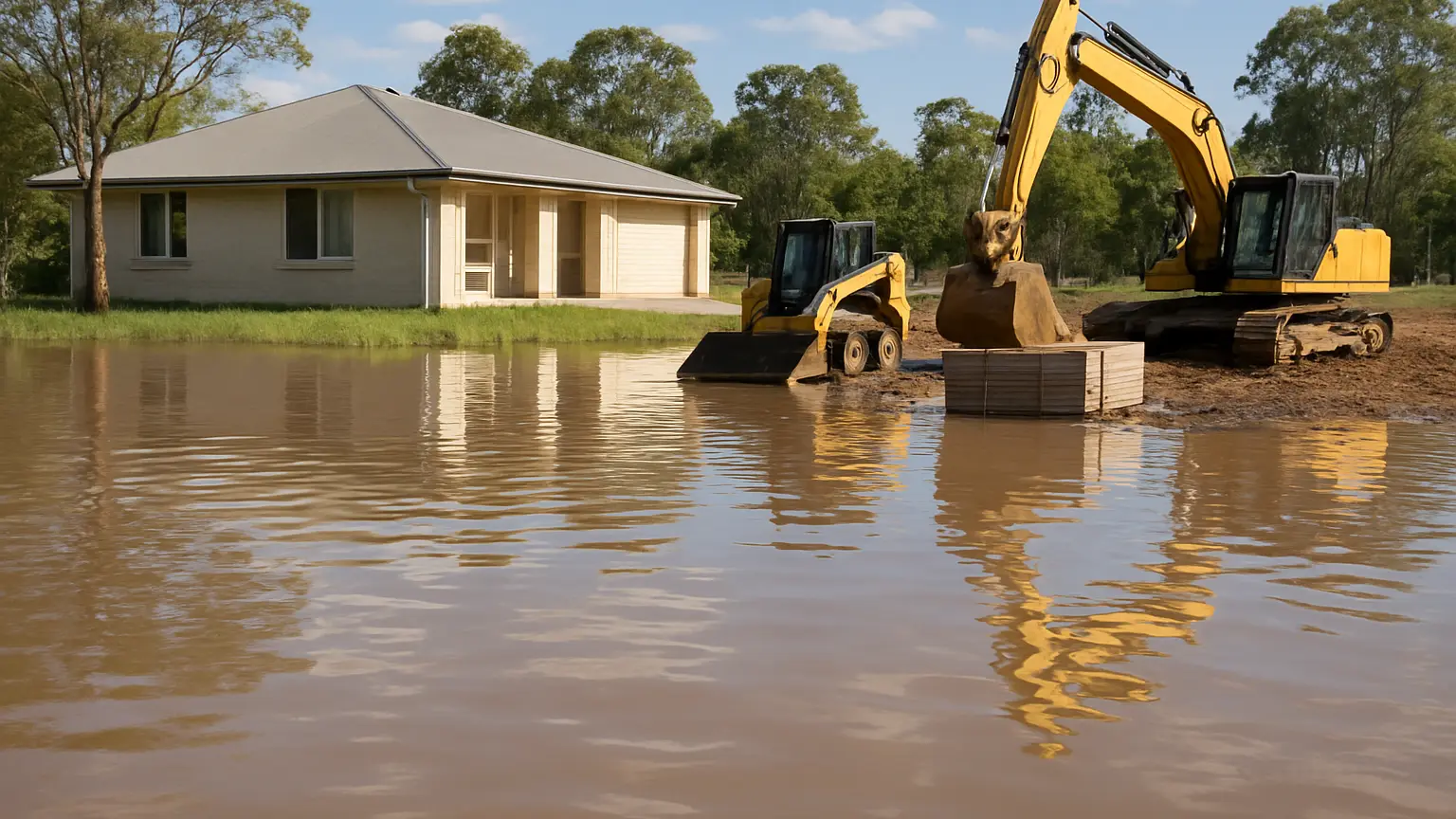
Rain also slows crews, floods test holes, and packs review calendars as other builders rush to catch up. A wet lot brings safety issues too, so it pays to sort out power and drainage hazards before rainy season soaks the site with standing water.
If you are building a new home on a lot without city sewer, the septic permit is one of your first real hurdles. Clear it during the dry months, roughly November through April, and you leave room to dig, set the tank, and pass inspection before storms arrive. In mid-November, that window is wide open.
Before anyone draws a system, someone has to look underground. In Florida, that starts with a site evaluation by a qualified professional, such as a licensed engineer or a registered septic contractor. Their findings become the backbone of your design and your permit.
What the Site Evaluation Checks
A good evaluator does more than dig a hole. They build a full picture of the lot, including:
- Soil borings: Samples taken at set depths to see sand, rock, and muck layers.
- Seasonal high water table: Clues like soil color changes and staining that show how high water climbs in the wet months.
- Depth to limerock: Rock close to the surface can change how deep you can dig.
- Setbacks: Required distances from wells, canals, lakes, property lines, and the house itself.
- Elevation and flood zone: Low lots often need extra fill to keep the system working.
- Sewer availability: If public sewer is close enough, you may be required to connect instead.
Why Miami Soil Plays by Its Own Rules
Miami ground is a mix of limestone, sandy pockets, and in some areas, organic muck. Water moves through limestone fast, which is part of why local rules on septic placement are strict. When a lot sits low, the fix is usually imported fill that raises the drain field into a mound.
Fill is not a small detail. Hauling and spreading it takes heavy equipment and careful staging, and since a cubic yard of soil weighs about as much as a small car, the job needs a safe plan for trucks and open trenches. The amount of fill should be estimated during design, not guessed on dig day.
Picking a System That Fits the Lot
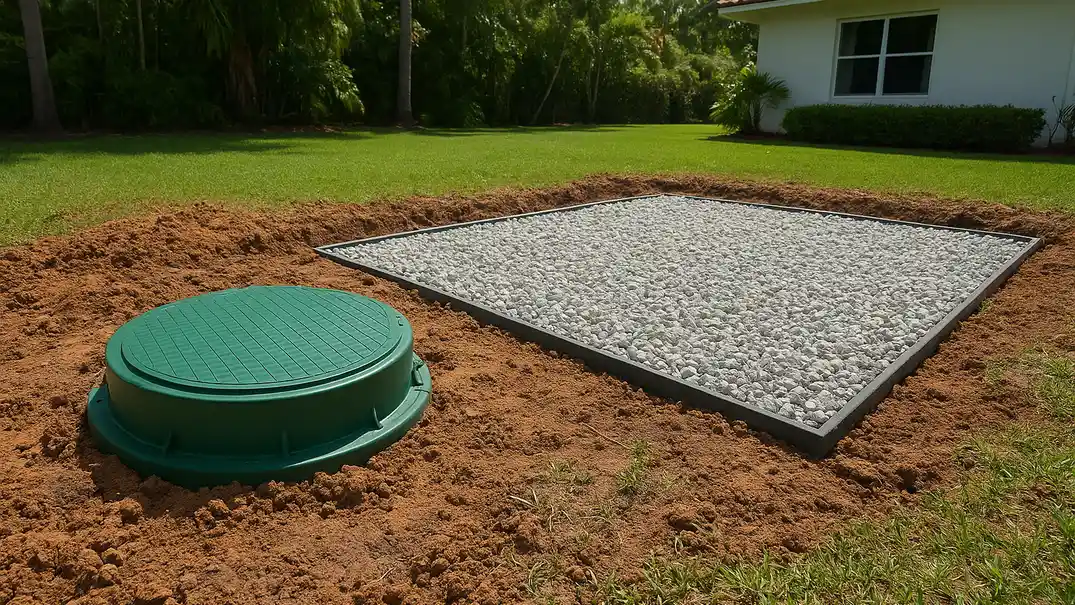
Your design will land on one of a few common paths. A conventional gravity system works on lots with good soil and enough room. A low pressure dosing system uses a pump to spread effluent evenly, which helps on tricky sites. A mound or filled system raises everything above high water.
On tight or soggy lots, Macho Contracting's experience points toward advanced treatment as a smart option. Because they break waste down further before it reaches the soil, oxygen-fed treatment units can shrink the needed drain field, a trade that often makes sense when space or high water limits a conventional layout. These systems need a maintenance contract, so factor that into long term costs.
Tank size in Florida is based on bedrooms and the home's living area, not the number of bathrooms. Add a bedroom late in the design and the septic plan may need to change too. Lock in the floor plan first.
Once the soil report and design are ready, the paperwork begins. Many people still call this the health department permit. Florida moved its onsite sewage program to the Department of Environmental Protection in 2021, so applications now go through that agency, but the steps will feel familiar.
What Goes in the Application Packet
- A completed septic construction permit application
- The site evaluation and soil boring results
- A scaled site plan showing the house, tank, drain field, wells, and setbacks
- Floor plan details with bedroom count and living area
- Proof of ownership or legal access to the property
- Application and review fees
The Other Desks That Touch Your Permit
In Miami-Dade, the state permit is not the only stop. The county's environmental resources division reviews projects near wellfields and protected water. Your building permit also has to line up with the septic layout, since the house footprint and the drain field share the same lot. If one plan shifts, expect both to be reviewed again.
A Count-Back Calendar From June 1
Treat June 1 as your soft deadline and work backward. A realistic dry season plan looks like this:
- Mid-November to December: Hire your evaluator and complete soil borings while the ground is dry.
- January: Finalize the system design and submit the full application.
- February to March: Answer review comments, make corrections, and receive the permit.
- April to May: Excavate, install, and schedule inspections before the first big storms.
The same thinking applies across the build. Builders who order impact windows before hurricane season gain the same buffer you gain by filing early. Long lead items and weather sensitive work both reward a head start.
Small Mistakes That Cost Big Weeks
Most rejected applications fail on simple things. A site plan missing a neighbor's well. A bedroom count that does not match the house plans. A setback measured from the wrong corner. Each one sends the file back and resets your place in line, often just as the rains start.
Plan any extras now, too. Alarms and level sensors are easier to add on paper than after the tank is buried, and reading up on how smart septic tanks work can help you decide whether monitoring belongs in your design.
With the permit in hand, the real digging begins. Excavating, setting the tank, and building the drain field step is where the water table hits hardest, which is why finishing drain field work before the rains matters so much. After that comes the final inspection and storm checks that close out the job.
Paper First, Then Pipe
A Miami septic build rises or falls on timing. Soil tests in the dry months show the true water table without summer guesswork. A design matched to your lot, whether conventional, mound, or advanced treatment, keeps costs predictable. A clean application with correct setbacks and bedroom counts moves through review without bouncing back.
Start now, while the ground is dry and review desks are calm, and you give yourself a real shot at digging in spring instead of waiting out the storms. Every week saved on paperwork is a week your crew can spend in a dry trench, and that is the quiet advantage that keeps new homes on schedule.